

The recheck sheet says lipase or cPLI is still flagged. The dog it came from has finished his dinner and is asleep on the kitchen floor. Those two facts disagree, and in a dog recovering from pancreatitis the disagreement is usually normal rather than ominous. In a straightforward acute case the values fall as the inflammation settles, often within days. In chronic or recurring pancreatitis the pattern is messier: values can improve, sit in the normal range a while, then climb again with the next flare.
So reading a recovery means holding two things side by side, the number on the page and the animal in the room, and knowing which one to believe when. The ranges themselves are covered in the guide to normal lipase and cPLI values in dogs.
Can pancreatitis levels return to normal? Yes, often after an acute episode as inflammation settles. A persistent or recurring rise is different, so your veterinarian reads the trend alongside appetite, vomiting, pain, hydration, and energy.

What the Number Is Actually Measuring
The pancreas makes digestive enzymes, including lipase (from the Greek lipos, fat), and normally releases them into the intestine, with only trace amounts reaching the blood. When the organ becomes inflamed, irritated cells leak enzymes into circulation, where a blood test picks them up. That is the whole mechanism behind the result on the page, and why the number describes a moment rather than a verdict on the organ.
It also explains why two tests of the same enzyme do not deserve equal trust. Routine lipase is a rough guide, because the usual lipase assays also pick up lipases made in other tissues, so a high lipase has several possible explanations. cPLI (canine pancreatic lipase immunoreactivity) measures only the pancreatic form, which makes it the most specific blood test for pancreatitis. Either way, an elevated marker is not a disease living in the bloodstream, and it is not evidence that the organ has been permanently injured. Once the inflammation resolves the pancreas typically goes back to working normally, and the blood levels come down with it. After a mild episode that is the expected outcome, and the outlook for mild pancreatitis in dogs is good.
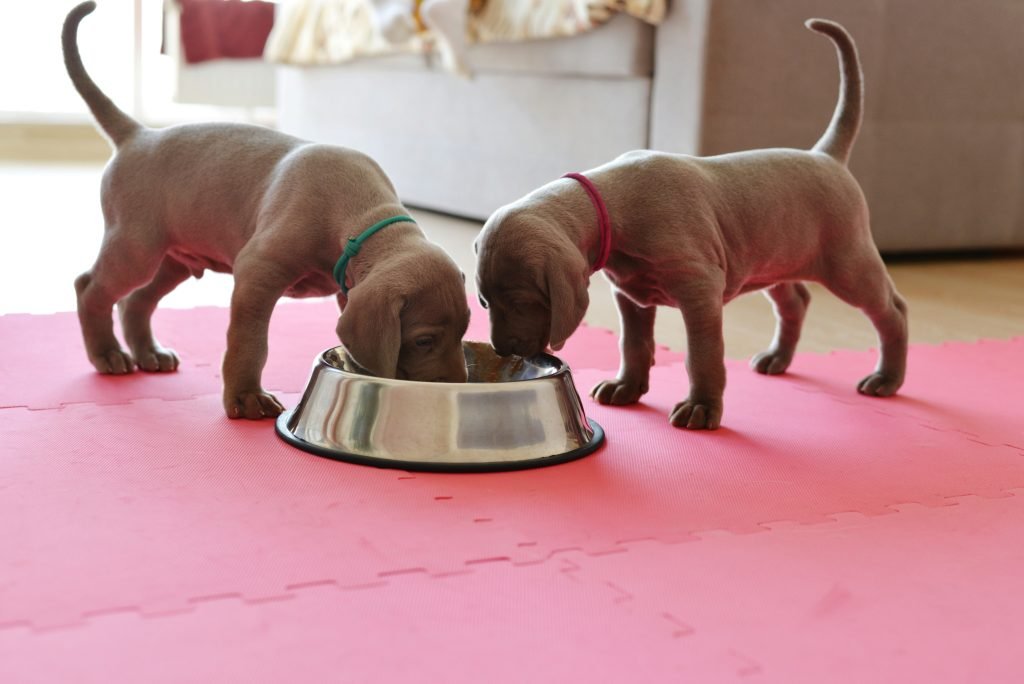
After an Acute Episode, the Dog Recovers Ahead of the Lab
Acute pancreatitis is the version most people picture: a dog who seemed fine yesterday is suddenly vomiting, refusing food, painful, and flat. Bloodwork here often shows elevated pancreatic enzymes simply because the inflammation is active and recent. No single drug fixes it. Treatment is supportive: fluids to correct dehydration, anti-nausea medication to break the vomiting cycle, pain control, and early feeding with a low-fat diet while the pancreas heals. Starting early helps head off the body-wide complications that make severe cases dangerous.
Then the dog begins to look better, drinking again, brighter, no longer vomiting, interested in food. The numbers do not always keep pace. In one study of dogs hospitalized for acute pancreatitis, cPLI was back in the normal range by the second day in almost half, and neither lipase nor cPLI tracked the dogs’ clinical signs. A study that rechecked cPLI over four weeks saw the same gap from the other side: dogs that started clearly high had dropped to just above the diagnostic cutoff by day two, and by the one-week recheck the typical value was back in the normal range, though some were still above it, with clinical scores improving alongside.
Both studies point the same way. A value still above range in a dog who is eating and comfortable is not, on its own, a sign that treatment is failing. And when the number looks reassuring while the dog is getting worse, I would trust the dog.
When the Number and the Pancreas Disagree
The disagreement runs both ways, and each direction has its own cause. Upward is the easier one. Kidney function shapes how fast routine lipase comes down, because when the kidneys filter less, as they do in a dehydrated dog or one with abnormal kidney values, older lipase assays have read up to about four times normal without the pancreas being any worse.
Downward is the direction that catches owners out. Chronic pancreatitis is not one sudden episode that fully resolves but repeated low-grade inflammation or recurring flare-ups. Some dogs have obvious digestive episodes every so often; others show subtler signs: occasional vomiting, an appetite that comes and goes, mild abdominal discomfort, or just seeming “off” without dramatic illness. Because the inflammation varies, so does the bloodwork. One test comes back mildly elevated, the next drifts toward normal, and a later one rises again with the next flare, which reads as “not improving” when it is really inflammation that comes and goes.
Some of these dogs do return to normal values between flares. In others the test goes the other way: cPLI can come back normal, or borderline rather than clearly high, while the pancreas is inflamed, possibly because a scarred pancreas leaks less enzyme. For a dog in that position a perfect lab sheet is not the goal. Stability is: fewer flare-ups, steady appetite and weight, a dog comfortable day to day, with long-term management built on a low-fat diet. Chronic inflammation is also why some dogs seem to catch “another stomach bug” again and again, which the comparison of pancreatitis and gastroenteritis bloodwork sorts out.
What Should Send You Back to the Vet
Persistently abnormal values sound alarming, but what matters is the direction your dog is heading, not the single figure on the page. These changes, the same signs of pancreatitis you watched for at the start, should send you back to your vet:
- 01
Vomiting continues or returns
Vomiting that never settled, or that starts again after it had stopped
- 02
Lethargy that does not lift
Still flat and uninterested when your dog should be brightening up
- 03
Belly pain
A hunched, tense posture or obvious discomfort around the belly
- 04
Weight loss or a fading appetite
Eating less than before, or getting thinner over the following weeks
- 05
Recovery stalls
Your dog is not following the course your vet expected
Each of those is a reason to call your vet. Some changes can’t wait for that call. A dog who cannot keep water down is losing fluid faster than he can take it back in, and fluids are the backbone of pancreatitis treatment, so that one needs prompt veterinary care. Severe pain, extreme weakness, pale gums, or collapse are emergencies: this is a same-hour trip to the vet, not something to hold for the next recheck.
When Recovery Stalls, and What Is Actually at Risk
There is no fixed recheck date. For a borderline cPLI in a dog whose signs persist, the usual advice is to recheck in two to three weeks, and repeat cPLI is also how a clearly high result gets monitored through treatment. Your veterinarian sets the timing by how sick your dog was and whether the result would change the plan. If recovery stalls, the workup widens: a repeat cPLI, a full chemistry panel, kidney values, or an abdominal ultrasound, which can show whether the pancreas is still inflamed, whether fluid has collected around the pancreas, or whether something else is driving the signs.
Lasting damage is what owners start to worry about when a recovery drags, and this is the situation it belongs to rather than the ordinary one. Pancreatitis that does not resolve can eventually cost the pancreas its other jobs: some of these dogs develop exocrine pancreatic insufficiency, where the pancreas no longer makes enough digestive enzymes, and some develop diabetes. That is a risk of the chronic, non-resolving form, not the usual result of a single mild or moderate episode.
In the end the number and the dog come back together, in that order. The first good signs on the pancreatitis recovery timeline show up at home: a dog asking for food again, drinking on his own, resting comfortably, taking an interest in the household. At the recheck your veterinarian adds the objective data, a repeat lipase or cPLI, hydration and electrolytes, kidney values, weight, belly comfort on exam, and whether the vomiting has fully stopped.
Consistency matters as much as the lab report while the pancreas recovers, and fatty food, table scraps, and raids on the garbage are the pancreatitis triggers owners can actually control. Most cases have no cause anyone can point to, but a calm, predictable routine does more for the long-term outcome than people expect. How your dog is doing matters more than any single number, which is the point of the guide to dangerous pancreatitis blood levels.
Veterinarian's Perspective
Final Thoughts From a Veterinarian
A value still above range at the first recheck is not, by itself, the thing to act on. A dog who stops eating, starts vomiting again, or seems worse is. If that happens, call your vet rather than waiting for the next scheduled recheck.
Dr. Vojtech Gabriel
Was the article helpful?