Dog Pancreatic Tests

Cocker spaniel resting outdoors

Dog pancreatic tests help diagnose and monitor pancreatitis in dogs. This category explains lipase, cPLI, normal ranges, abnormal values, and how veterinarians interpret bloodwork. Learn how enzyme trends relate to symptoms, severity, and recovery so you can better understand your dog’s lab results and treatment plan.

Start here:

Individual markers:

Understanding severity and progression:

bulldog, dog, puppy, pet, nature, black dog, animal, young dog, domestic dog, canine, mammal, cute, adorable, portrait
Dog Pancreatic Tests

Dog Pancreatitis Blood Test Explained: Lipase, cPLI, and Abnormal Results

Introduction: Understanding Your Dog’s Pancreatitis Blood Test When your veterinarian recommends a dog pancreatitis blood test, it usually follows symptoms that are hard to ignore: vomiting, refusing food, acting painful when picked up, or just behaving differently. Bloodwork comes back, and suddenly unfamiliar terms like lipase or cPLI appear on the report, sometimes flagged as

Dog Pancreatitis Blood Test Explained: Lipase, cPLI, and Abnormal Results Read Post »

How to Read a Dog Food Label Like a Veterinarian at Home
Dog Pancreatic Tests

Can Pancreatitis Blood Levels in Dogs Return to Normal?

Elevated lipase or cPLI after a pancreatitis diagnosis can look like proof that something has been permanently broken. It usually isn’t. In straightforward acute cases, values typically return to normal once the inflammation settles and the pancreas stops leaking enzymes into the bloodstream. In dogs with chronic or recurring pancreatitis, the pattern is messier: values

Can Pancreatitis Blood Levels in Dogs Return to Normal? Read Post »

Common Puppy Illnesses Every Owner Should Recognize Early
Dog Pancreatic Tests

Dangerous Pancreatitis Blood Levels in Dogs: When Results Are Serious

When Pancreatitis Bloodwork Feels Alarming Hearing that your dog has dangerous pancreatitis blood levels can be deeply unsettling. The wording alone sounds like an emergency, and when you then see elevated lipase or cPLI on a lab report, it is easy to assume the situation must be critical. Many owners immediately start searching for a

Dangerous Pancreatitis Blood Levels in Dogs: When Results Are Serious Read Post »

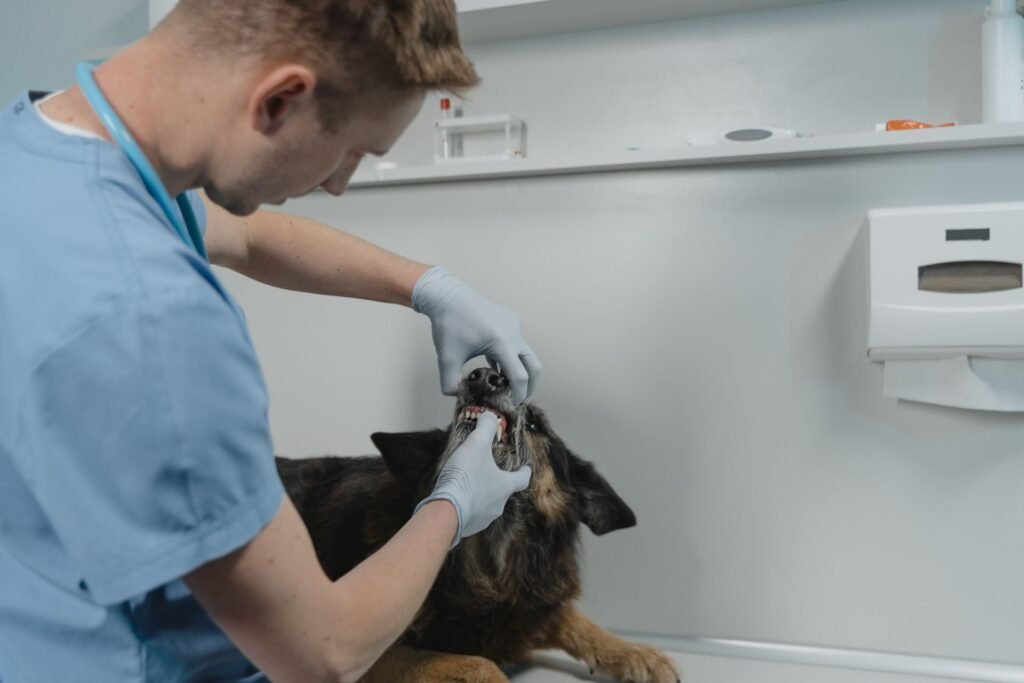
Veterinarian examining a dog's mouth and teeth to check for the dental disease that causes bad breath in dogs
Dog Pancreatic Tests

Dog Pancreatitis Blood Test Values Explained: Lipase Normal Range in Dogs and cPLI Ranges

When your dog’s bloodwork shows elevated pancreatic enzymes, the first question is usually, “How high is too high?” Seeing abnormal numbers can be stressful, especially if your dog has been vomiting, acting uncomfortable, or refusing food. Pancreatitis blood test ranges help guide interpretation, but they do not diagnose the disease by themselves. What matters most

Dog Pancreatitis Blood Test Values Explained: Lipase Normal Range in Dogs and cPLI Ranges Read Post »

basset hound lying on tile floor showing long back and short legs
Dog Pancreatic Tests

Pancreatitis vs Gastroenteritis in Dogs: Bloodwork Differences Explained

Vomiting. Diarrhea. Loss of appetite. Lethargy. These symptoms can point to either pancreatitis or gastroenteritis in dogs, which is why the two get confused so often. A dog vomits, seems tired, skips a meal, maybe has diarrhea, and you’re left wondering whether this is a simple stomach upset or something more serious. The real difference

Pancreatitis vs Gastroenteritis in Dogs: Bloodwork Differences Explained Read Post »

Dog lying down looking unwell, relevant to acute and chronic pancreatitis
Dog Pancreatic Tests

Acute vs Chronic Pancreatitis in Dogs: How Blood Tests Differ

If your dog has just been diagnosed with pancreatitis, one of the first questions you’ll have is whether it’s acute or chronic. The distinction matters, but it isn’t always obvious at the start. Both forms involve inflammation of the pancreas, and both can cause vomiting, appetite loss, lethargy, and abdominal discomfort, with elevated pancreatic enzymes

Acute vs Chronic Pancreatitis in Dogs: How Blood Tests Differ Read Post »

pixnio-6000×4000 (14)
Dog Pancreatic Tests

cPLI Test in Dogs: The Most Accurate Pancreatitis Marker Explained

Introduction: Why the cPLI Test in Dogs Matters If your veterinarian recommends a cPLI test, it’s usually because they’re concerned about pancreatitis (from the Greek pankreas, “all flesh,” and -itis, “inflammation”). Maybe your dog has been vomiting, not eating, or acting uncomfortable in the abdomen. Sometimes it starts with routine bloodwork showing elevated lipase, and

cPLI Test in Dogs: The Most Accurate Pancreatitis Marker Explained Read Post »

animal, dog, breed, canine, pet, mammal, samoyed, nature, dog, dog, dog, dog, dog, samoyed, samoyed
Dog Pancreatic Tests

High Lipase in Dogs: What It Means and Common Causes

Introduction: Why High Lipase in Dogs Gets Attention If your dog’s bloodwork shows high lipase, it is completely normal to feel concerned. Lipase is one of the pancreatic enzymes veterinarians talk about most often, so when it appears elevated on a lab report, many owners immediately think about pancreatitis. It helps to pause for a

High Lipase in Dogs: What It Means and Common Causes Read Post »

Scroll to Top