
Raw Diet for Dogs: The Honest, Balanced Picture
Raw diets for dogs have genuine appeal and genuine, documented risks. Here is the balanced, evidence-based picture before you decide.

Raw diets for dogs have genuine appeal and genuine, documented risks. Here is the balanced, evidence-based picture before you decide.

Not every dog needs a supplement, and some can cause harm. Here is which supplements have real evidence and when they are actually worth using.

The right time to switch dog food depends on your dog’s individual growth and size, not just their age. Here is what to know for each life stage.
True food allergies in dogs are confirmed with an elimination diet trial, not a blood test. Here is what the signs and diagnosis actually involve.
Food Allergies in Dogs: What They Really Look Like Read Post »
Feeding charts are a starting point, not the final answer. Here is how to use body condition to know if you are feeding your dog the right amount.

A renal diet is a therapeutic food for dogs with confirmed kidney disease, not a general wellness choice. Here is why it helps and how to transition.
Renal Diet for Dogs: What It Is and Why It Helps Read Post »

Chocolate, xylitol, grapes, and onions are genuinely dangerous for dogs. Here is the full list, the symptoms to watch for, and what to do right away.
A bland diet of chicken and rice is a gentle, short-term tool for mild digestive upset in dogs. Here is how to do it safely.
Bland Diet for Dogs: Chicken and Rice Done Right Read Post »

Choosing dog food does not need to be overwhelming. Here is what to look for on the label, and what marketing claims to look past.

A high cholesterol result in dogs points toward diet, breed, or a hormonal condition, not heart disease. Here is what it means and what to check next.
High Cholesterol in Dogs: What Elevated Cholesterol Means Read Post »

A high glucose reading rarely confirms diabetes on its own. Here is what elevated blood sugar in dogs really means, and when it is worth a closer look.
High Glucose in Dogs: What Elevated Blood Sugar Really Means Read Post »

Feeding decisions feel personal because they touch your dog’s comfort every day. The good news is that both canned-style diets and kibble can support excellent health when the food is complete and balanced. The choice usually comes down to hydration, calories, convenience, and what your dog does best with long-term. Most questions about wet vs
Wet vs Dry Dog Food: Pros and Cons Explained for Owners Read Post »

Puppy food for healthy growth should support steady development, not rushed weight gain. Food choices during this stage affect joints, digestion, and long-term body condition. Start with a complete diet made for puppies, then pay attention to calorie density and mineral balance, especially calcium and phosphorus. This matters even more for medium, large, and giant
Many dog foods are sold as grain-free, and it is reasonable to wonder if that choice could backfire. The worry mostly comes from reports linking Grain-Free Dog Food to a heart condition called dilated cardiomyopathy, often shortened to DCM. Grain-free is not automatically dangerous, but it can be the wrong solution for the wrong problem.
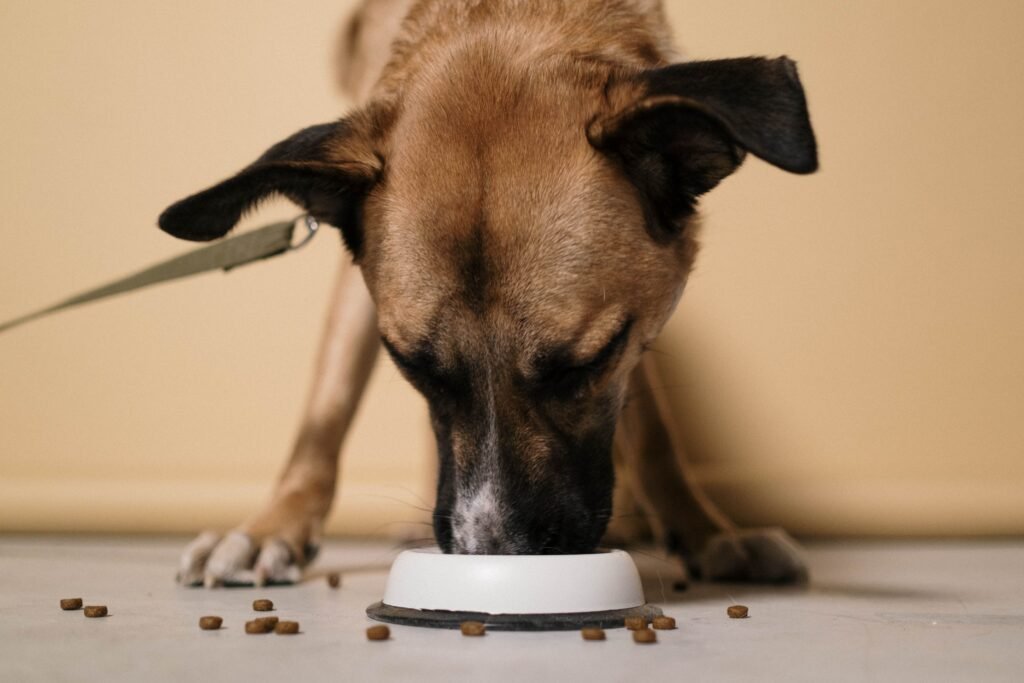
Reading dog food labels is less confusing when you know which lines carry legal meaning and which ones are just selling points. The goal is to choose a diet that fits your dog’s life stage and feeding needs, not to “win” the label comparison game. If you need the bigger decision framework, start with how
How to Read a Dog Food Label Like a Veterinarian at Home Read Post »