

Table of Contents
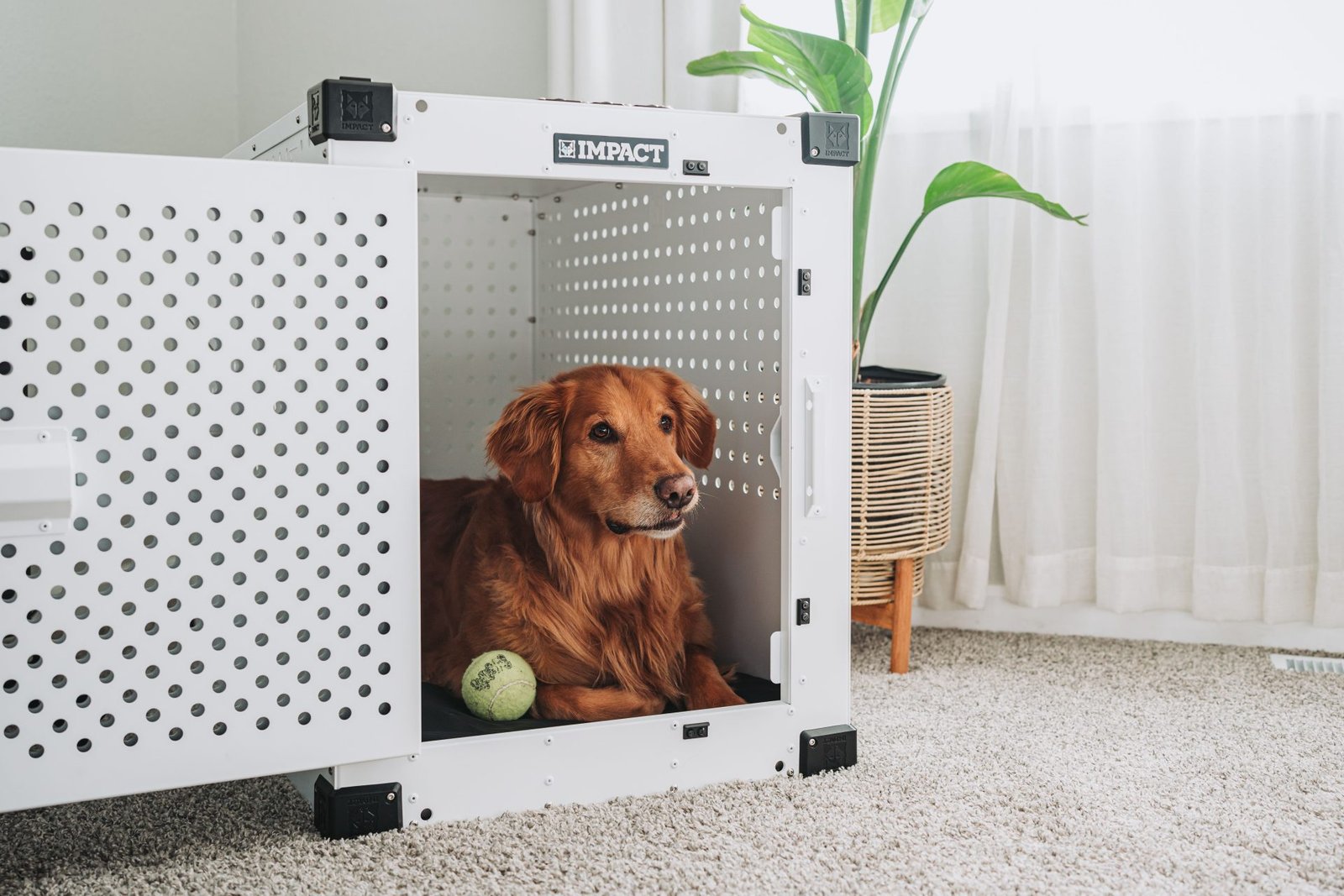
Dogs that wedge themselves under the coffee table, behind the couch, or into a laundry basket during a thunderstorm are not being dramatic. A small, enclosed space really does help many anxious dogs feel calmer, even though the reason has less to do with an inherited denning instinct than most explanations suggest.
That is also why covered and donut-style calming dog beds have become so popular. This guide covers what is actually happening when an anxious dog seeks out a small space, what to look for in a bed, and which styles are worth the money.
A covered or high-sided bed can genuinely reduce stress in dogs that already seek out small spaces.
It is a comfort tool, not a treatment for moderate to severe anxiety on its own.
Why Do Anxious Dogs Seek Out Small, Covered Spaces?
The popular explanation is that dogs inherited a denning instinct from wild canid ancestors. It is a tidy story, but it does not match what the research on free-ranging dogs shows. Dens turn out to be mainly a maternal behavior: pregnant females use them to whelp and nurse puppies, not as everyday shelter. When researchers tracked where free-ranging dogs actually choose to rest day to day, the dogs favored open, highly visible spots over hidden ones. Visibility, it turns out, lets them stay alert to threats.
What is happening when a stressed pet dog wedges into a covered spot looks more like an individual coping response than an inherited instinct. A small space limits how much of the environment a dog has to monitor at once, and less to watch means less to react to. That is part of why a covered bed can help lower a dog’s stress response during triggers like fireworks, storms, or being left alone.
What Signs Show Your Dog Is Anxious?
Anxiety in dogs does not always look dramatic, and it helps to know the full range of anxious body language, not just what a bed can address. It can show up as pacing, excessive panting when it is not hot, a tucked tail, or early stress signals like yawning and lip licking that are easy to miss.
More obvious signs include hiding, trembling, destructive chewing near doors and windows, or accidents in a normally house-trained dog. Noting when these signs appear, such as during storms, fireworks, or after you leave for work, helps identify what is actually triggering them.
How Does a Den-Style or Calming Bed Actually Help?
A covered or high-walled bed physically limits a dog’s field of view and reduces exposure to sudden movement or sound. It works on the same principle as a covered crate settling a nervous dog during travel.
Donut-style beds with raised, huggable sides work on a similar principle from a different angle. The raised rim gives a dog something to rest their head and body against, similar in concept to a weighted blanket or pressure wrap for people. That comparison is popular, but the evidence behind pressure-based calming tools is still thin: a 2024 systematic review found only weak, inconsistent support for an anxiety-reducing effect.
None of this replaces training, exercise, or, for real separation anxiety, a structured behavior plan. A bed is an environmental tool that supports those efforts, not a stand-in for them.
| Bed Style | Best For |
|---|---|
| Covered or hooded cave bed | Dogs that already hide under furniture or seek total enclosure |
| Raised-rim donut bed | Dogs that like to curl up tight and rest their head on something |
| Weighted or heavy blanket add-on | Dogs calmed by firm, even pressure |
| Standard flat bed | Comfort, but little added calming effect for an anxious dog |

What Should You Look For in a Calming Bed?
Size matters more than it seems. A donut or cave bed that is too large defeats the purpose, since part of the calming effect comes from the snug fit itself.
Washable covers matter too, since an anxious dog is often also a dog prone to accidents or drooling under stress. A non-slip base keeps a covered bed from sliding on hard floors, which matters if a dog is already startled and moving quickly toward it.
How Do You Size a Calming Bed Correctly?
Most calming bed brands publish weight ranges, but weight alone can be misleading for sizing a donut or cave bed. A lean, long-bodied breed and a short, stocky dog of the same weight can need different bed diameters to actually curl up snugly.
A simple at-home check works better than guessing from a weight chart alone. Watch your dog curl into their favorite resting position, whether that is a tight ball or draped along a couch cushion. Then measure nose to tail across that curled shape, not your dog’s standing length.
Err slightly snug rather than roomy. A bed with a couple of inches of extra rim to lean into is fine. But a bed sized for a much bigger dog loses the enclosed, held feeling that makes den-style beds work in the first place.
For multi-dog households, resist the urge to buy one large bed for everyone to share. Anxious dogs often want their own defined space, and a shared bed can turn a calming tool into a source of tension instead of relief.
Which Calming Beds Do Vets Actually Like?
Two styles come up often enough in behavior-focused practice to be worth naming. The Best Friends by Sheri calming donut bed is one of the most reviewed options on the market. It has a raised faux-fur rim that many dogs settle into within the first few uses. The Snoozer Cozy Cave takes a different approach for dogs that want to disappear entirely rather than just curl up. It adds a full hood over part of the bed, closer to a soft, portable den than an open cushion.


When Is Anxiety More Than a Bed Can Fix?
A calming bed helps with everyday stress, but it is not a substitute for professional support when anxiety is severe.
Talk to your vet if your dog is self-injuring (chewing paws raw, breaking through crates), can’t be left alone at all, has stopped eating during anxious episodes, or the anxiety is getting worse despite added comfort measures.
These are signs a bed alone will not resolve. A vet can rule out pain or illness contributing to the behavior, and discuss options like a referral to a veterinary behaviorist or, in some cases, medication alongside training.
This article is for educational purposes only and is not a substitute for professional veterinary care. Always consult a licensed veterinarian regarding your pet’s health and behavioral needs. As an Amazon Associate, Vet Explains earns from qualifying purchases.
Was the article helpful?