

Your dog has just come through a bout of pancreatitis, and you want to know what set it off. The frustrating answer is that most cases of pancreatitis in dogs never get a confirmed cause. The clearest pattern is dietary indiscretion: getting into the trash, table scraps, or unfamiliar rich food. That gives you a practical prevention target, but it does not mean every episode was caused by something you fed.
Known risk factors still matter after an episode. Your dog’s breed, triglyceride level, other illnesses, medications, and previous history can change the plan. Go through them with your veterinarian even when no single culprit turns up.
What Pancreatitis Actually Is
Pancreatitis means inflammation of the pancreas (from the Greek pan, all, and kreas, flesh, with -itis for inflammation), the organ that makes digestive enzymes and helps regulate blood sugar. In an episode those enzymes begin to digest the pancreas itself, and the inflammation that follows can damage other parts of the body. That is why the disease ranges from mild to life-threatening. It can also worsen quickly. Suspected pancreatitis needs a vet visit, not a day of watching at home.
What Triggers Pancreatitis in Dogs Most Often?
Dogs with access to the trash had about 13 times the odds of acute pancreatitis. Unusual foods were associated with about 4 times the odds, and table scraps with about 2 times the odds. These are associations in the canine pancreatitis risk research, not proof that one meal caused an individual dog’s illness.
The fat percentage of a dog’s regular food is often blamed too confidently. Research has not settled whether a high-fat maintenance diet causes pancreatitis, so I would not blame the everyday food on its own. Once pancreatitis is diagnosed, the question changes. A veterinarian may prescribe a low-fat diet to support recovery or reduce recurrence. Our guide to feeding a dog with pancreatitis covers that separate decision.
Breeds and Dogs at Higher Risk
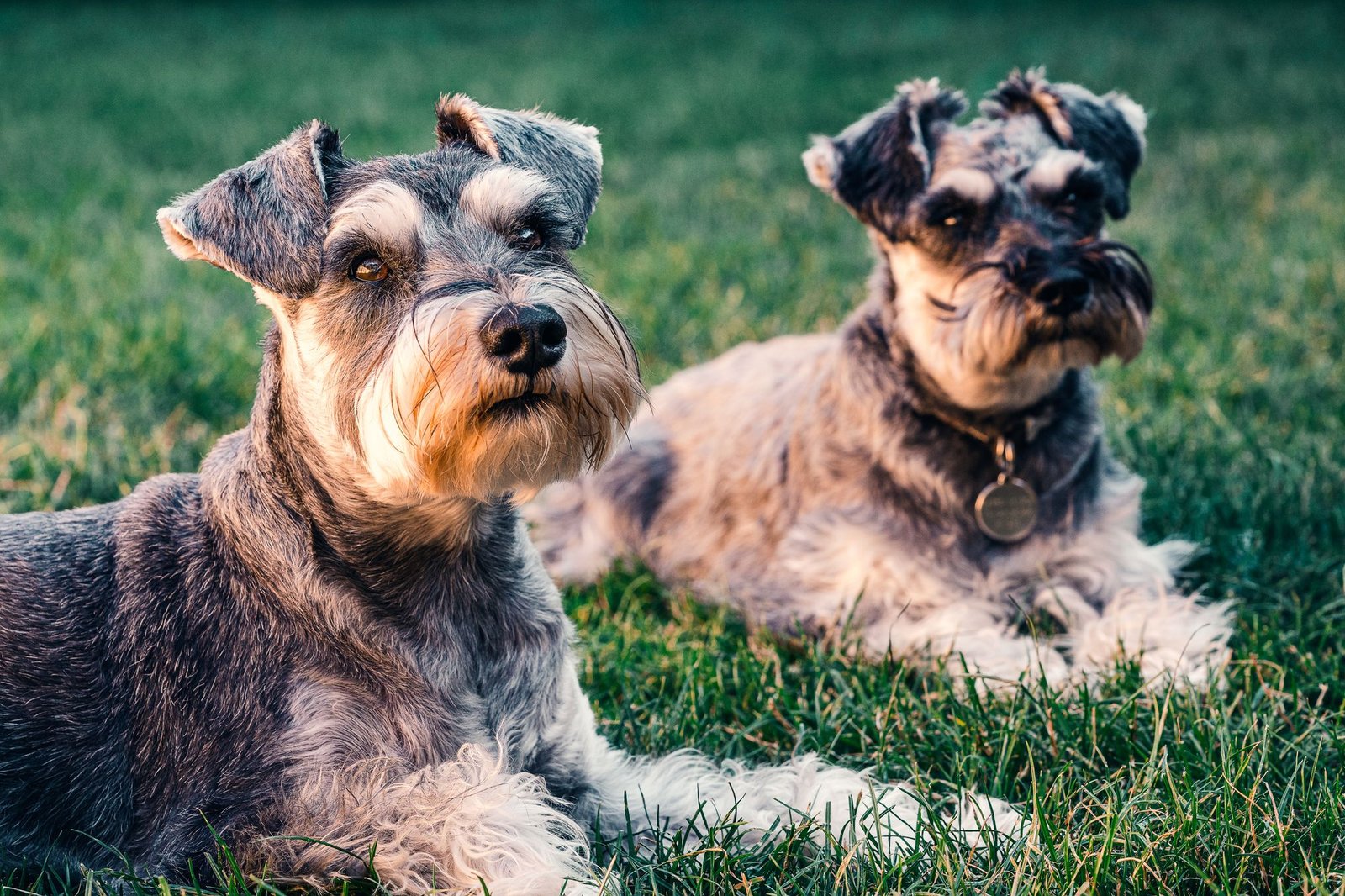
Miniature Schnauzers, miniature poodles, Yorkshire terriers, and other terriers are among the breeds most consistently reported at higher risk. Cocker Spaniels, Dachshunds, and some sled breeds may also be overrepresented. Most affected dogs are middle-aged or older, and a dog with a previous episode deserves closer attention. Still, breed alone does not predict which dog will become ill.
High triglycerides, a type of fat carried in the blood, are especially relevant in Miniature Schnauzers. In one study of the breed, they were present in 77 percent of dogs with previous pancreatitis and 33 percent without it. Severe triglyceride elevation, at or above 862 mg/dL, was associated with about 4.5 times the odds of an elevated pancreatic lipase result. A high triglyceride number is a risk marker, not a diagnosis of pancreatitis, so the result needs veterinary interpretation.
Medications and Other Conditions
Pancreatitis often travels with other problems. Cushing’s disease, excess weight, high blood calcium, severe trauma, surgery, and reduced blood flow to the pancreas can increase risk or occur alongside it. Diabetes is the confusing one, because the arrow can point the other way. Long-standing pancreatitis can damage insulin-producing cells and contribute to diabetes. The relationship is not simply diabetes causing an attack.
Some medicines, including potassium bromide, phenobarbital, azathioprine, and L-asparaginase, have been associated with pancreatitis or with changes that may raise risk. The evidence is not equally strong for every drug. Never stop a prescription on your own. Tell the prescribing veterinarian about any previous pancreatitis and ask whether monitoring or an alternative is appropriate.
Even after a complete history and testing, your veterinarian may find no single trigger. That is common rather than a sign something was missed, and a useful prevention plan does not depend on naming a cause.

Signs an Episode Is Starting
Early signs of pancreatitis in dogs include vomiting, refusing food, low energy, and abdominal pain. A painful dog may hunch, guard the belly, or resist being touched. Diarrhea can occur, while a mild episode may cause only poor appetite or lethargy.
Vomiting with a tense or painful abdomen or refusal to eat needs same-day veterinary evaluation. The signs in the box below sit a level above that, because severe pancreatitis can affect other organs. If you see any of them, go to the vet immediately.
- 01
Repeated vomiting
Vomiting that keeps coming back instead of settling.
- 02
Marked weakness or collapse
A dog that can barely stand, or that goes down.
- 03
Dehydration
Fluid lost through vomiting that your dog is not replacing.
- 04
Rapidly worsening pain
A hunched, guarded belly that is getting worse.

How Do I Reduce My Dog’s Risk Going Forward?
Start with the part you control. Secure trash and food waste, ask family and visitors not to share scraps, and follow the diet your veterinarian prescribed. Weight control and treatment of Cushing’s disease, diabetes, or high triglycerides address longer-term risk. Controlling an identified risk factor may help prevent another episode. Tell any new veterinarian about prior episodes before a medication is started.
After an episode, use symptoms and your veterinarian’s plan rather than the calendar alone. The pancreatitis recovery timeline explains which changes fit recovery and which should prompt a recheck.

Final Thoughts From a Veterinarian
If your dog has had pancreatitis, focus first on preventing access to scraps and following the prescribed diet. Ask whether fasting triglycerides or another underlying condition needs attention, especially after a repeat episode or in a Miniature Schnauzer.
Was the article helpful?