

If your dog just got into chocolate, xylitol, grapes or raisins, or onions or garlic, call your veterinarian or an animal poison control hotline now, before symptoms start. In the US, that is the ASPCA Animal Poison Control Center, at (888) 426-4435. Those four are the foods most likely to hurt a dog, and for a few of them, how quickly you act is what changes the outcome. The rest of the foods toxic to dogs are below, with what each one does and how soon it shows.
For most of these foods, how much your dog ate matters, and a half-eaten wrapper rarely tells you. Dogs clear certain compounds far more slowly than people do, so a food that is completely safe for us can be toxic to them in small amounts. The same amount also hits a small dog far harder than a large one. That is why "just a little bit" of the wrong food is not always safe.
Chocolate and Xylitol: How Much and How Soon
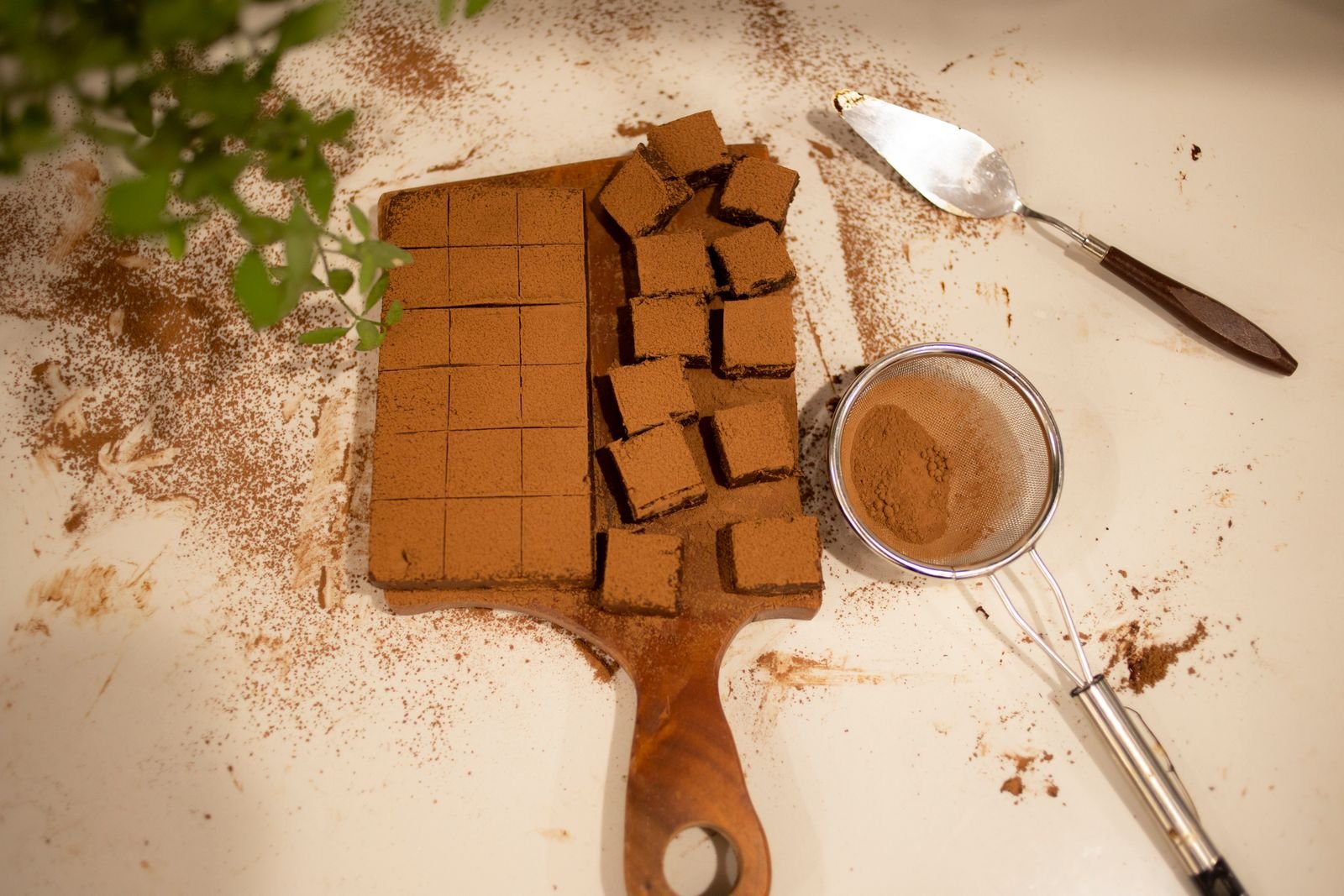
Chocolate is the food where the amount matters most, because concentration varies so much between products. The active compound is theobromine (from "theobroma," Greek for "food of the gods"), a stimulant that a dog’s body is slow to clear. Darker, more concentrated products carry much more of it. Cocoa powder and baking chocolate hold roughly six to twelve times more theobromine per gram than milk chocolate. A spoonful of baking cocoa is therefore a more serious problem than the same weight of candy. Signs range from vomiting and restlessness to a racing heart and, in serious cases, tremors and seizures. They usually take 6 to 12 hours to show up, so a dog who looks fine an hour later has told you very little.
Xylitol acts much faster than chocolate. It is a sugar substitute found in sugar-free gum, candy, mints, some peanut butters, baked goods, and even some liquid medications, including certain liquid gabapentin formulations. In dogs it can cause a rapid, dangerous drop in blood sugar, or hypoglycemia (Greek for "low sugar in the blood"). That can start within as little as 30 minutes. At higher doses it can also cause liver damage that may not become apparent for a day or two. It is one of the fastest-acting and most urgent items on this list.
Grapes, Raisins, Onions and Macadamia Nuts
Grapes and raisins can cause kidney failure in some dogs, and the suspected cause is tartaric acid, whose content varies from fruit to fruit. That variation is why one dog gets sick and another seems unaffected. Because that content is so inconsistent, any amount is treated as a potential concern rather than something to calculate against.
Onions, garlic, leeks, and chives damage a dog’s red blood cells, and raw, cooked, dehydrated, and powdered forms have all caused it, so cooking does not make them safe. Signs of the resulting anemia, such as weakness, fast breathing, and collapse, usually appear a few days after the meal rather than right away. A dog who seems fine that evening is not in the clear.
Macadamia nuts can cause weakness, loss of coordination, vomiting, and tremors in dogs, even in fairly small amounts. Most affected dogs recover within a day or two, though the reaction still needs prompt evaluation.

Raw Dough, Alcohol, Bones, Mold and Fatty Scraps
Raw bread dough is a two-part hazard. It can expand in a warm stomach, and the yeast can produce alcohol as it ferments. That fermentation can lead to dangerous intoxication and, in severe cases, seizures. Alcohol on its own can cause vomiting, loss of coordination, trouble breathing, and tremors, and caffeine carries risks similar to the theobromine in chocolate.
Avocado and bones are mechanical hazards rather than poisons. Avocado flesh is a milder concern for dogs than it is for birds and rabbits, but a swallowed pit can lodge in the gut and cause an obstruction. Likewise, a swallowed bone can injure or obstruct the digestive tract.
Rich table scraps and a raided trash can are less a poison than a trigger. This sort of dietary indiscretion, a polite way of describing the trash can, is believed to be a common risk factor for pancreatitis (from the Greek "pankreas" plus "-itis," meaning inflammation of the pancreas) in dogs.
Mold is a true toxin, and a fast one. It grows on old walnuts, peanuts, and dairy products, and in a compost pile or the trash. It can produce toxins that cause tremors and seizures within a few hours. That is why a secured trash can and compost bin matter as much as a closed pantry.
Vomiting, Tremors and Other Warning Signs
Symptoms and timing vary by toxin, but most of these foods show up in one of a few ways.
- 01
Vomiting or diarrhea
Common to almost everything on this list, including chocolate, macadamia nuts, and alcohol.
- 02
Restlessness or tremors
Typical of chocolate, caffeine, macadamia nuts, and moldy food.
- 03
A racing or irregular heartbeat
Chocolate and caffeine are the usual reason.
- 04
Weakness, lethargy, or collapse
Seen with macadamia nuts and, days later, with the anemia that onions and garlic cause.
- 05
Loss of coordination or seizures
Possible with raw dough, alcohol, macadamia nuts, moldy food, and serious chocolate poisoning.
Some toxins on this list, especially xylitol and grapes, can cause serious internal harm before obvious symptoms appear. Waiting for symptoms is not the safe approach.
What Should I Do If My Dog Ate Something Toxic?
Contact your veterinarian or an animal poison control hotline immediately if your dog has eaten chocolate, xylitol, grapes or raisins, onions or garlic in a meaningful amount. The same goes for anything else on this list, even moldy food from the trash. Do that even if your dog seems completely fine. I would rather you make an unnecessary call than lose time because everyone decided to wait and see.

Early treatment is often far more effective than waiting to see what happens, and it sometimes includes inducing vomiting under professional guidance. Do not induce vomiting at home without checking with your veterinarian or poison control first, since it is not safe for every situation and every substance. When you call, have the packaging, your dog’s weight, and a rough idea of how much was eaten and when. A consultation fee may apply to a poison control call, but it is a small cost compared with an emergency vet visit.
Once your veterinarian has ruled out anything on this list, a short bland diet can help settle any residual stomach upset.

Securing the Pantry, Trash and Holiday Table
Store chocolate, sugar-free products containing xylitol, grapes and raisins, and onions and garlic well out of reach, and keep the trash and compost bin secured too. That includes bags and countertops your dog can get to. Be especially careful around holidays, when these foods are more likely to be out.
Make sure everyone in the house, including guests and children, knows what not to feed your dog. A dog already eating a complete, balanced diet needs nothing from the table. Keep your veterinarian’s number and the poison control number somewhere easy to find, so you are not searching for them in a moment of stress.

Was the article helpful?