

Your dog’s bloodwork came back with a low T4, and the obvious next thought is an underactive thyroid. Hold that thought for a moment. A low total T4 is probably the most over-read number on a canine blood panel, and the easiest one to push around. Almost any illness, a recent surgery, or a handful of common medications can drag it below the reference range in a dog whose thyroid is working perfectly well. So that number on the printout is a starting point rather than a verdict, and how much it means depends on what else is going on with your dog.
T4, or thyroxine, is the main hormone the thyroid gland makes, and the gland itself sits in your dog’s neck. Picture it as a metabolic thermostat, setting the pace at which cells use energy. When the gland makes enough T4, that pace is normal: a steady heart rate, a healthy coat, normal energy and weight. When T4 stays too low for too long, everything slows down, and the effects show up gradually across the whole body. T4 is reported as part of the broader dog blood chemistry panel, which is usually how a low result turns up in the first place.
Hypothyroidism simply means the gland is not making enough hormone. The name comes from the Greek hypo, “under,” plus thyreos, “shield,” after the shape of the gland. It is one of the more manageable endocrine conditions in dogs once it is actually confirmed. Confirming it is the hard part.
What a Low Total T4 Can and Cannot Tell You
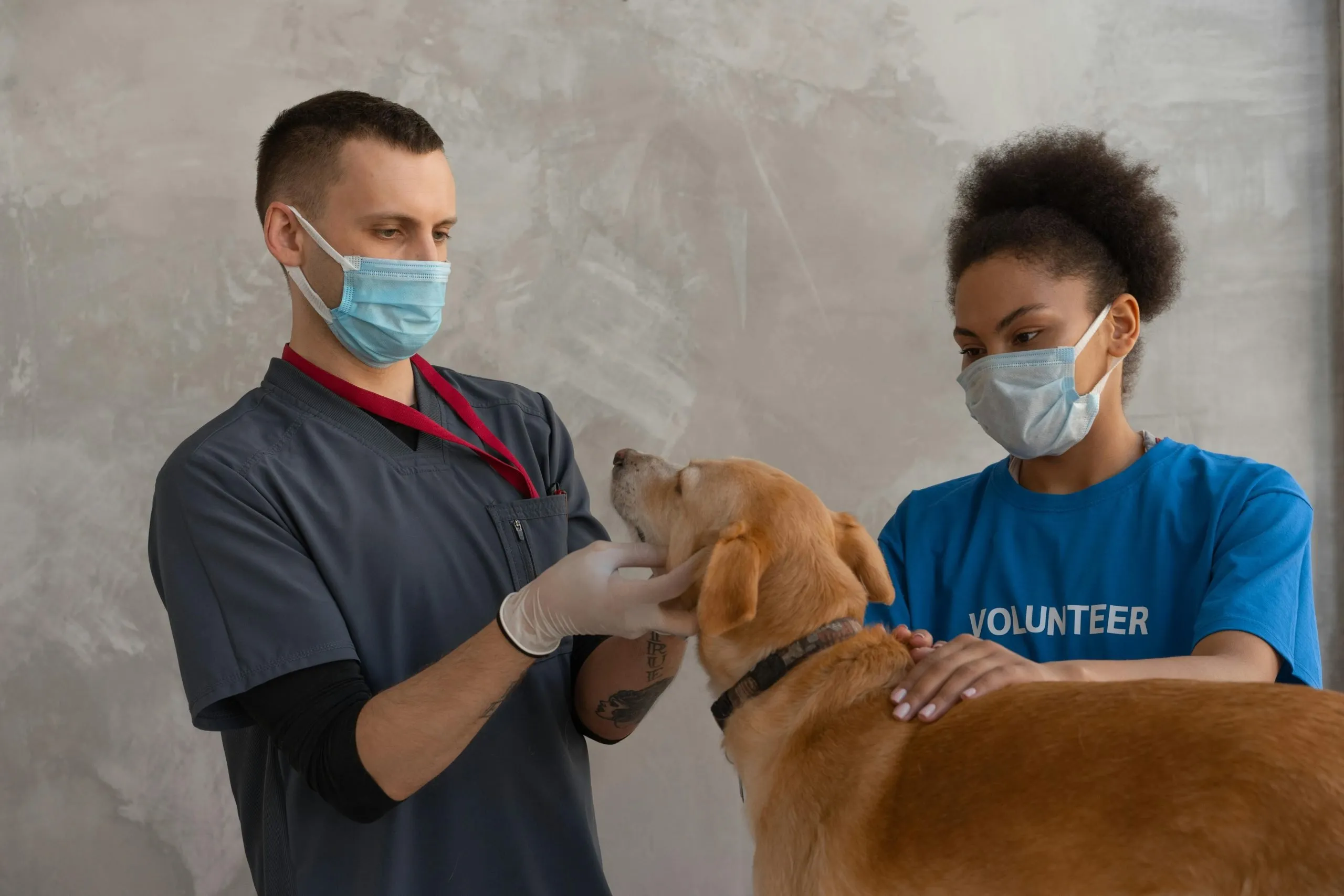
The causes worth ruling out first are the ones that have nothing to do with the thyroid gland. When a dog with a healthy thyroid shows a low T4, the usual explanation is non-thyroidal illness, sometimes called sick euthyroid. Almost any illness can push T4 down temporarily, including significant kidney dysfunction. Recent surgery can do it too, and so can several common medications, particularly steroids, phenobarbital, and sulfa antibiotics.
True hypothyroidism is a different story. More than 95 percent of cases come from destruction of the thyroid gland itself. Most often that is lymphocytic thyroiditis, an autoimmune process in which the body gradually damages its own thyroid tissue; the other route is a slower, poorly understood shrinking of the gland. Either way it is permanent. Most dogs with true hypothyroidism are middle-aged, and some breeds are more prone to it, including Golden Retrievers, Doberman Pinschers, Beagles, and Great Danes.
So a mildly low T4 that turns up during an illness, right after surgery, or while your dog is on a steroid medication is frequently a temporary effect of that situation rather than true hypothyroidism. It often normalizes once the situation resolves. The most useful next step is a recheck after your dog has recovered, rather than treating the number on its own. A low T4 on a wellness panel in an otherwise healthy dog, with no other explanation, is the result that earns a fuller thyroid workup.
What an Underactive Thyroid Looks Like at Home
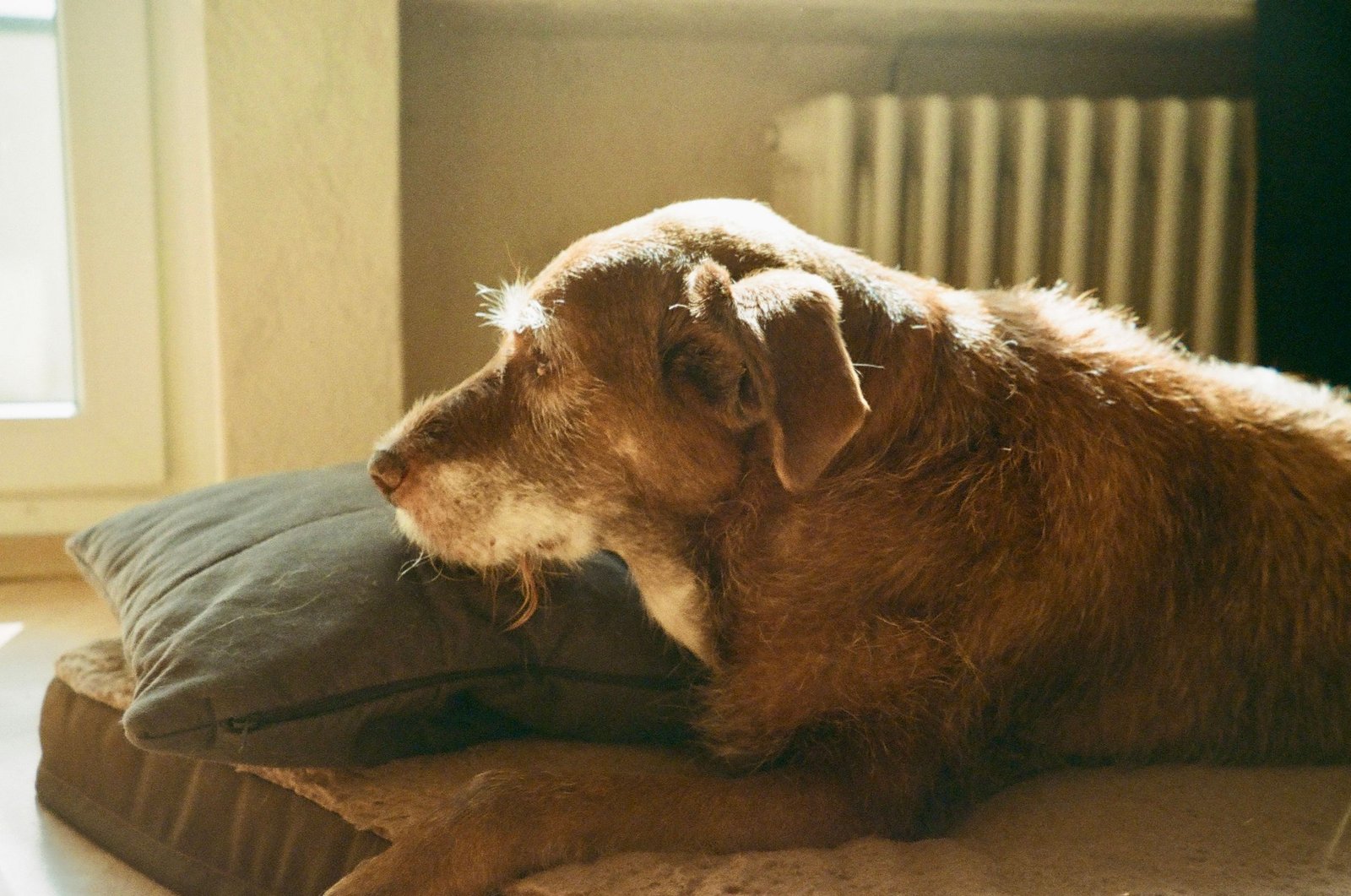
True hypothyroidism is rarely an emergency, but it is worth confirming and treating because it wears on your dog’s comfort and quality of life over time. Here is what you would most likely notice at home:
- 01
Weight gain
The weight creeps up even though the appetite has not changed.
- 02
Low energy
Less interest in walks and play, and a reluctance to exercise.
- 03
Dull, thinning coat
The coat loses its shine and thins out, sometimes leaving a bald tail.
- 04
Skin trouble
Flaky skin or skin infections.
- 05
Seeking warmth
Looking for warm places to lie, or feeling the cold more than before.
If several of these appear together with a low T4 result, ask your veterinarian about thyroid testing. That pattern is usually what raises the suspicion in the first place, before any bloodwork confirms it. Routine bloodwork often adds a clue of its own, because roughly 80 percent of hypothyroid dogs also have high cholesterol.
A dog with severe, longstanding untreated hypothyroidism can occasionally become profoundly weak, mentally dull, or develop a dangerously low body temperature, a crisis called myxedema coma. It is rare but life-threatening, so this combination needs emergency veterinary care right away.
Free T4 and TSH, and Where They Fail Too
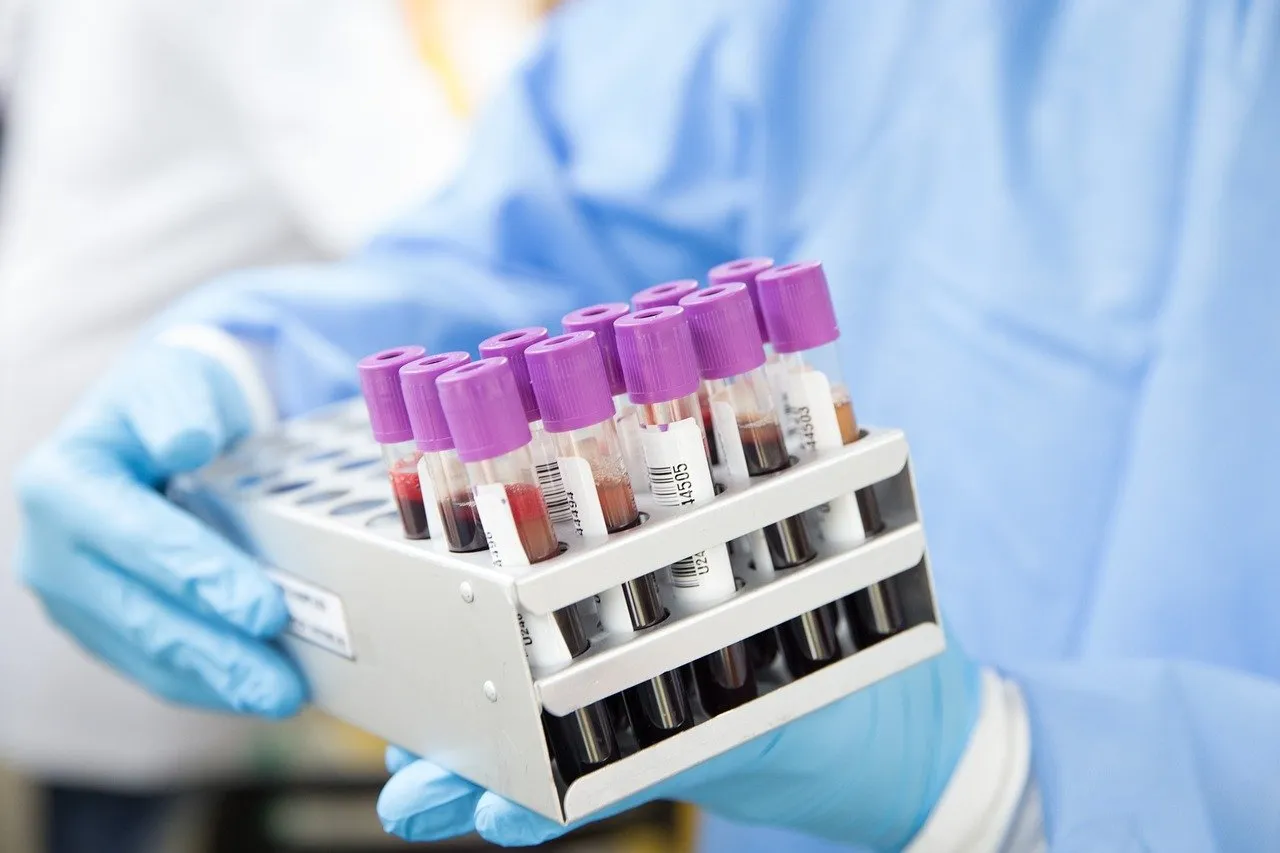
Because total T4 alone produces so many false alarms, vets do not diagnose hypothyroidism from that single number. A fuller thyroid panel, typically including free T4 measured by a more precise method and canine TSH, gives a much clearer answer. Your veterinarian weighs your dog’s breed, age, and symptoms just as heavily, along with whether anything else could be pulling T4 down.
A dog with classic symptoms, a low free T4, and a high TSH is a confirmed case. A low total T4 alone, in a dog recovering from illness, usually is not. The fuller panel has limits of its own, though. Severe illness can pull down free T4 and TSH together, not just total T4, which is why testing ideally waits until your dog is well. And roughly 20 to 40 percent of hypothyroid dogs have a TSH that stays in the normal range, so a normal TSH does not rule the disease out.
What Happens Next, and the First Recheck
If your dog is currently ill, recovering from surgery, or on steroids, the sensible next step is to recheck once that situation has resolved. If a fuller panel confirms hypothyroidism, treatment is daily oral thyroid hormone supplementation, and most dogs respond very well.
The follow-up is what matters most from there. The first recheck is typically about four weeks after starting treatment, then spaced out further once the dose is stable. Energy tends to improve quickly, while skin and coat changes are slower to resolve, so tracking your dog’s weight, coat, and energy over those weeks gives your veterinarian something useful to work from. Getting this diagnosis right changes everything that follows, which is why it is worth working through with your own veterinarian rather than treating a single printout.

Was the article helpful?