
Table of Contents
If your dog treats every remote control, shoe, and table leg like a chew toy, you already know chewing is not optional for most dogs. It is a normal behavior rooted in exploration, teething, and stress relief, and trying to eliminate it usually just shifts the target to something you would rather keep intact.
The real question is not whether to let your dog chew, but what to hand them. Not every toy sold as a “chew toy” is actually safe for a determined chewer, and the wrong choice can mean a cracked tooth, a swallowed fragment, or an emergency vet visit. This guide walks through what actually makes a chew toy safe, what to avoid, and which options hold up in real use.
The safest chew toys flex slightly under pressure and can’t be swallowed whole.
Antlers, real bones, and hard nylon are common causes of broken teeth in dogs.
Why Do Dogs Need to Chew?
Chewing is not just a puppy phase. Dogs chew to explore their environment, relieve teething discomfort as puppies, help clean plaque off their teeth, and burn off stress or boredom as adults.
A dog that is not given an acceptable outlet for chewing usually finds one anyway, and it is rarely the outlet an owner would choose. Providing a satisfying, safe chew toy is one of the simplest ways to protect furniture, shoes, and baseboards while giving a dog something it actually needs.
What Makes a Chew Toy Actually Safe?
A safe chew toy needs to survive contact with a determined jaw without breaking into pieces small enough to swallow. It should also give slightly under pressure rather than meeting a tooth with a completely rigid surface.
Size matters as much as material. A toy that is too small for a dog’s mouth can be swallowed whole or lodge in the throat. Even a well-made toy becomes a hazard if it is sized for a small breed and handed to a much larger dog.
Vets also look at how a toy is meant to be used. A toy designed for supervised play, like a rope tug, is not automatically safe left with a dog unsupervised for hours, since frayed strands can be swallowed.
How Hard Is Too Hard?
Veterinary dentists commonly recommend two quick checks before handing a dog a hard chew. The first is the fingernail test: if the toy does not flex at all when you press a fingernail into it, it is likely too hard for daily chewing.
The second check is sometimes called the kneecap test. If you would not want to be hit in the kneecap with the object, it is probably firm enough to crack a tooth. Antlers, real bones, cow hooves, and hard nylon bones fail this test regularly, and slab fractures of the carnassial tooth are a common, expensive consequence. That tooth, the large upper premolar dogs use for shearing, gets its name from the Latin caro, meaning flesh.
| Chew Type | Vet Take |
|---|---|
| Rubber toys (KONG-style) | Flexes under bite pressure; widely considered a safer daily option |
| Rope or plush toys | Fine for supervised play; remove once strands or seams fray |
| Antlers, real bones, hooves | Rigid; a common cause of slab tooth fractures |
| Hard nylon bones | Firm enough to be an occasional chew, not an all-day one |
| Cooked bones | Splinter easily and should never be given |
What Chew Toys Should You Avoid?
A handful of popular options come with more risk than most owners realize.
- Cooked bones of any kind, since cooking makes them brittle and prone to splintering
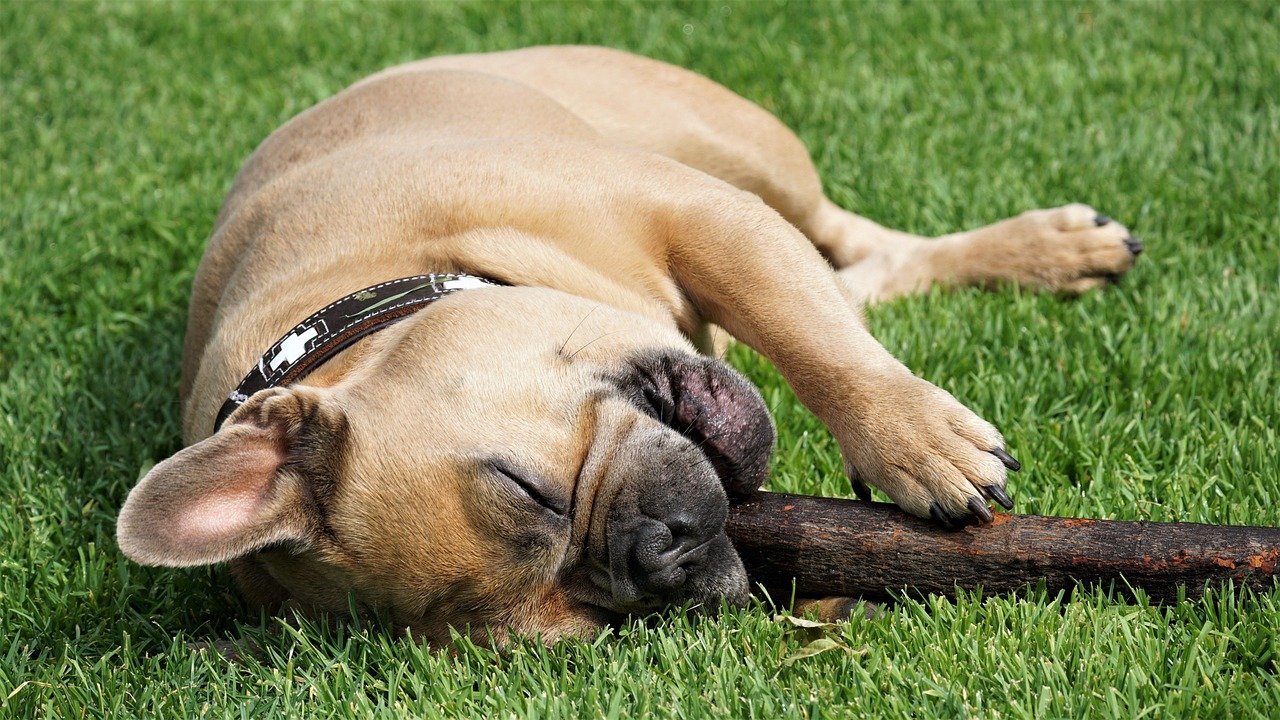
- Real sticks, which can splinter and lodge in the mouth or throat
- Tennis balls used as daily chew toys, since the abrasive fuzz can wear down enamel over time
- Small squeakers or stuffing that can be pulled out and swallowed in one piece
- Any toy already showing cracks, missing chunks, or exposed stuffing
The same anything-goes-in-the-mouth instinct that makes chew toys necessary also means it is worth knowing which ordinary foods are toxic rather than just messy. Chew-toy supervision does not cover what happens on the kitchen counter.
How Do You Introduce a New Chew Toy Safely?
A new chew toy is worth watching closely the first few times, even one considered generally safe for most dogs. Some dogs try to bite off chunks immediately or find an edge to shred, and that first session tells you a lot about whether a specific toy is actually a good match before you leave your dog alone with it.
If you have more than one dog in the house, introduce a new chew one at a time rather than dropping several into a shared space at once. Resource guarding over a high-value chew is a common, largely avoidable source of tension or fights between otherwise friendly dogs.
Keep checking a toy even after it passes the first few sessions. A toy that was perfectly safe when new can develop a weak spot, a missing chunk, or a hairline crack over weeks of use, and that damage changes how the toy breaks apart under pressure.
As a general rule, retire a chew toy once it is visibly smaller than when you bought it, has a piece missing, or no longer flexes the way it did out of the box. Replacing a toy is far cheaper than a dental repair or an emergency visit for a swallowed fragment.
Which Chew Toys Do Vets Actually Recommend?
Two toys come up again and again in veterinary dental discussions, mostly because they are built to flex rather than shatter, and because there is enough independent purchase and review history to know how they actually perform outside a lab test. If you are shopping specifically for chews built around dental benefit rather than general chew safety, that is a related but different category.
The KONG Classic is a reliable starting point for most dogs. It is made from a single piece of durable rubber that gives slightly under bite pressure, and stuffing it with food turns chewing into a longer, more mentally engaging activity instead of a five-minute demolition job.
For dogs that prefer something to gnaw rather than a stuffable toy, the Benebone wishbone shape is designed to sit at an angle that is easier to hold between the paws, with a texture firm enough to hold up but not as rigid as antler or nylon.


When Should a Chew Toy Worry You?
Most chewing is harmless, but a few signs mean it is time to stop offering a specific toy or call a vet.
Call your vet if you notice: pawing at the mouth or drooling that won’t stop, a broken tooth or visible gum bleeding, a missing chunk of toy you can’t find, or vomiting or refusing food after a chewing session.
None of these signs mean panic, but they do mean a same-day call to your vet rather than a wait-and-see approach, since a swallowed fragment can move from probably fine to a surgical emergency within a day.
This article is for educational purposes only and is not a substitute for professional veterinary care. Always consult a licensed veterinarian regarding your pet’s health and nutritional needs. As an Amazon Associate, Vet Explains earns from qualifying purchases.
Was the article helpful?