
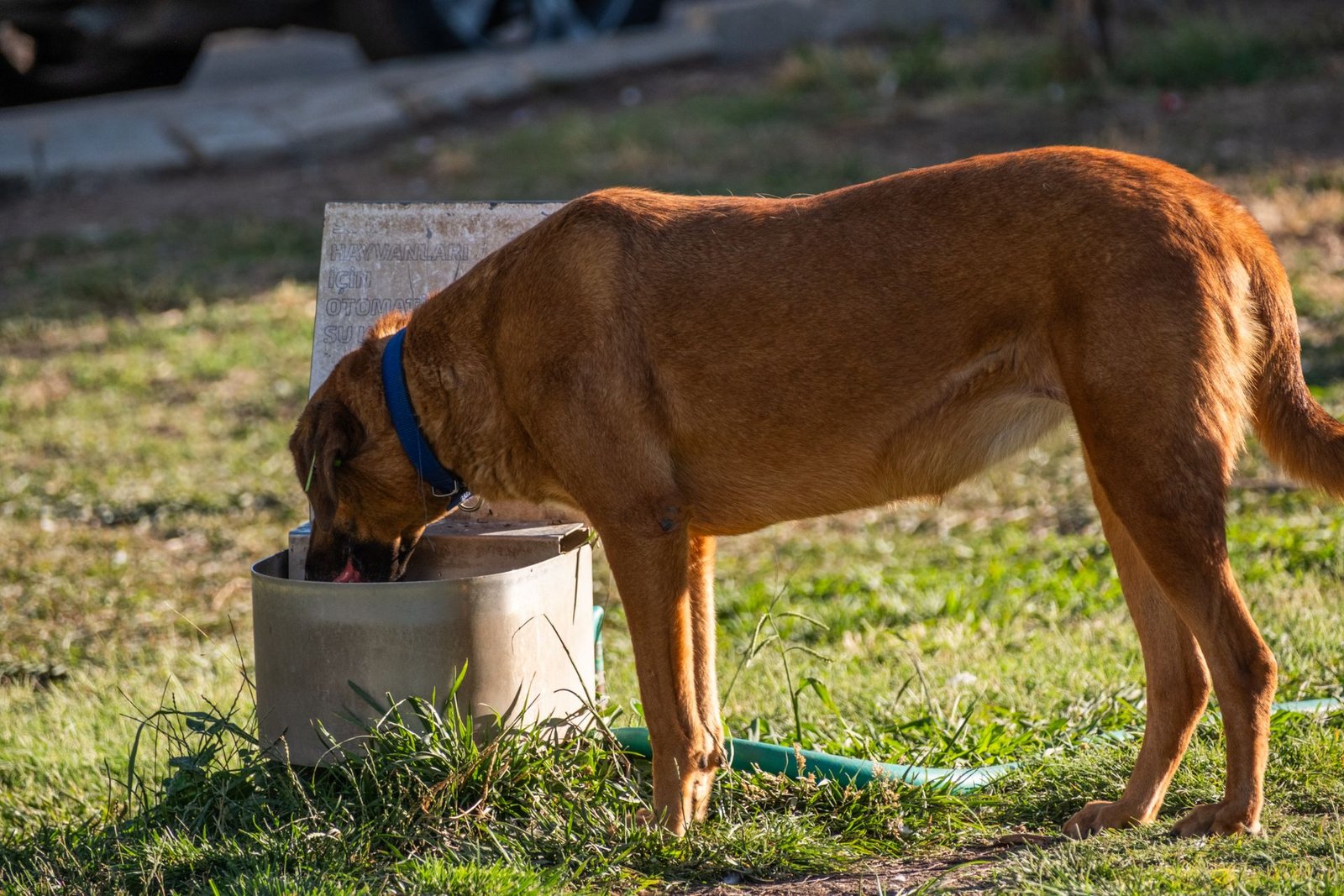
You have refilled the water bowl twice today, and your dog is asking to go out more than usual. You are right to pay attention, because thirst is one of the few symptoms you can actually measure at home. Most of the time a dog drinking so much water has an everyday explanation, such as hot weather, more exercise, or a switch to dry food. The real question is whether yours is one of those or one that cannot wait.
If your dog is an unspayed female who was in heat within the last month or two, sudden thirst can be the first sign of pyometra, a uterine infection that usually needs surgery, so she needs to be seen by a vet right away, not watched at home. For every other dog, the next step is to check what else is going on and what changed recently. Thirst that keeps up for more than a day or two with no obvious reason can point to diabetes, kidney disease, or a hormonal condition, and that earns a vet visit.
If Your Dog Is an Unspayed Female
Pyometra only affects female dogs who have not been spayed. Increased thirst and urination are among its signs, and it usually shows up one to two months after a heat cycle. There may or may not be a cream-colored or bloody vaginal discharge, so its absence settles nothing. Pyometra is an emergency, usually treated with surgery, so an unspayed female who has suddenly started drinking more should be seen the same day rather than watched. I would rather hear about a false alarm than a pyometra that waited a week.
When Thirst Comes With Other Signs
Most causes of increased thirst are not emergencies and can wait for a regular veterinary appointment, because the diseases behind them develop over weeks. A few days of scheduling changes nothing. The picture changes when the thirst arrives with company. If increased thirst comes together with vomiting, lethargy, loss of appetite, or your dog seeming generally unwell, that combination deserves prompt veterinary attention rather than a wait-and-see approach.
Increased thirst paired with a swollen or painful abdomen, repeated vomiting, or collapse is a true emergency and needs urgent care immediately. So does increased thirst in an unspayed female dog within two months of a heat cycle.
Everyday Reasons Dogs Drink More
Hot weather, increased exercise, and a recent switch to dry food are the most common everyday explanations, and none of them is cause for concern on its own. A dog that panted through a long summer walk lost water doing it and is simply replacing it. A dog moved from canned food to kibble lost the water that used to arrive with dinner and now has to drink it instead. Some medications, including certain steroids and diuretics, also increase thirst as an expected side effect, which is worth remembering if the drinking started the same week as a new prescription.
A salty treat or table food can push drinking up temporarily, the same way a salty meal makes a person reach for water. Everyday causes like these usually settle on their own within a day or two. If you can name the reason and the thirst fades once the reason is gone, you have your answer. Thirst that keeps going after the reason is gone is a different matter, and the medical causes further down explain why.
Measuring How Much Your Dog Drinks
Increased thirst has a medical name, polydipsia (from the Greek poly, “much,” and dipsa, “thirst”). It is one of the more useful symptoms in veterinary medicine, because the common causes are well understood and the first round of tests usually narrows them down quickly. That usefulness depends on a number, though. The usual veterinary definition of polydipsia is more than about 100 mL of water per kilogram of body weight per day, which works out to roughly one and a half ounces per pound. A healthy dog rarely drinks more than about 90 mL per kilogram, so normal and abnormal sit close together. Diet, activity, and weather also move the number around. For a 50-pound dog, 100 mL per kilogram comes to about 2.3 liters in a day, a little over half a gallon.
A dog eating mostly wet food will drink noticeably less than one on dry kibble, because much of the water is already in the meal. What matters most, though, is a real change from your own dog’s normal pattern, not a comparison to a textbook number. If you are refilling the bowl far more often than you used to, that change is worth mentioning at your next visit. So is a dog who has started waking you at night to go outside.
To get your own number, fill the bowl with a measured amount, top it up with measured amounts, and record the total over two or three ordinary days. Count every source your dog drinks from, including a second bowl or puddles in the yard. A written number can be compared against the 100 mL per kilogram figure above, and again once treatment starts, which “a lot” can never do.
Note whether appetite or weight has changed, and whether urination has become more frequent or larger in volume. New medications, diet changes, and symptoms like vomiting or lethargy are worth writing down too, along with details that feel unrelated, like a recent boarding stay or a new treat. Let your vet decide what is unrelated.
What Blood and Urine Tests Show
Diabetes is a common cause, since excess sugar in the blood pulls extra water into the urine and out of the body. The dog drinks more because it is losing more, not the other way around, and that is true of most of the conditions on this list. Kidney disease works the same way, because kidneys that are not concentrating urine efficiently need more water to flush waste from the body. Hormonal conditions such as Cushing’s disease, a high blood calcium level, and certain infections such as leptospirosis round out the list your veterinarian will consider.
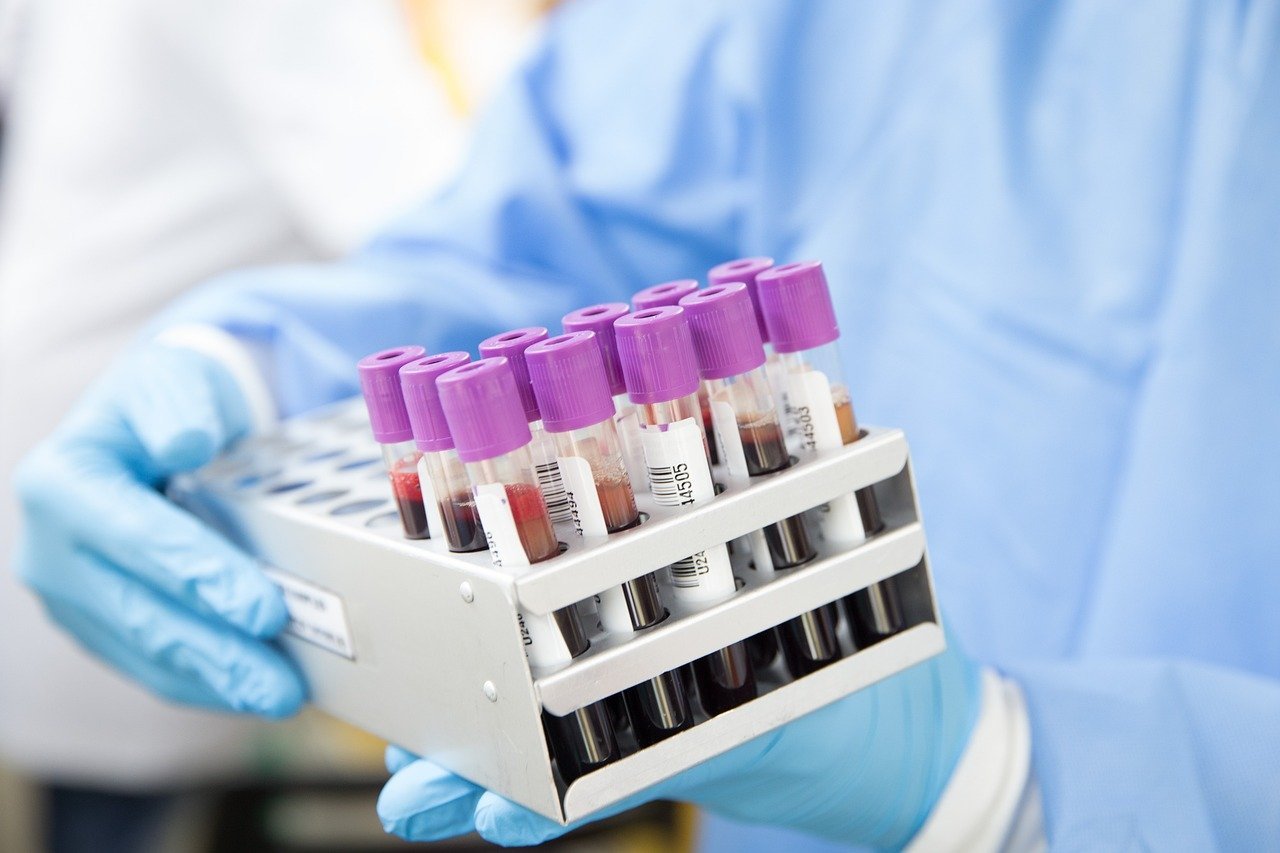
A blood panel and a urinalysis, often with a urine culture to check for infection, are the starting point for almost every case. Together they point toward diabetes, kidney disease, or a hormonal condition fairly quickly. How concentrated the urine is matters most. Well-concentrated urine means the kidneys can still hold on to water, which makes a urine-producing problem unlikely, while dilute urine keeps the other causes on the list. If you can, collect a sample at home that morning so you do not have to wait for one at the clinic.
Your vet will also want a history: when the drinking changed, and what else changed around the same time. That includes a new food, a new medication, a heat cycle, or a hot spell. The timeline often does as much diagnostic work as the bloodwork.
Matching the Pattern to the Cause
If your dog does not fit neatly into any one situation above, this table lines the common patterns up against the most likely explanation.
Veterinarian’s Perspective
Final Thoughts From a Veterinarian
If your dog is drinking more, measure it for three days and write the number down before you call. A measured figure turns a vague worry into a testable one. And if she is unspayed and was recently in heat, do not wait for the number.
Dr. Vojtech Gabriel
Was the article helpful?