
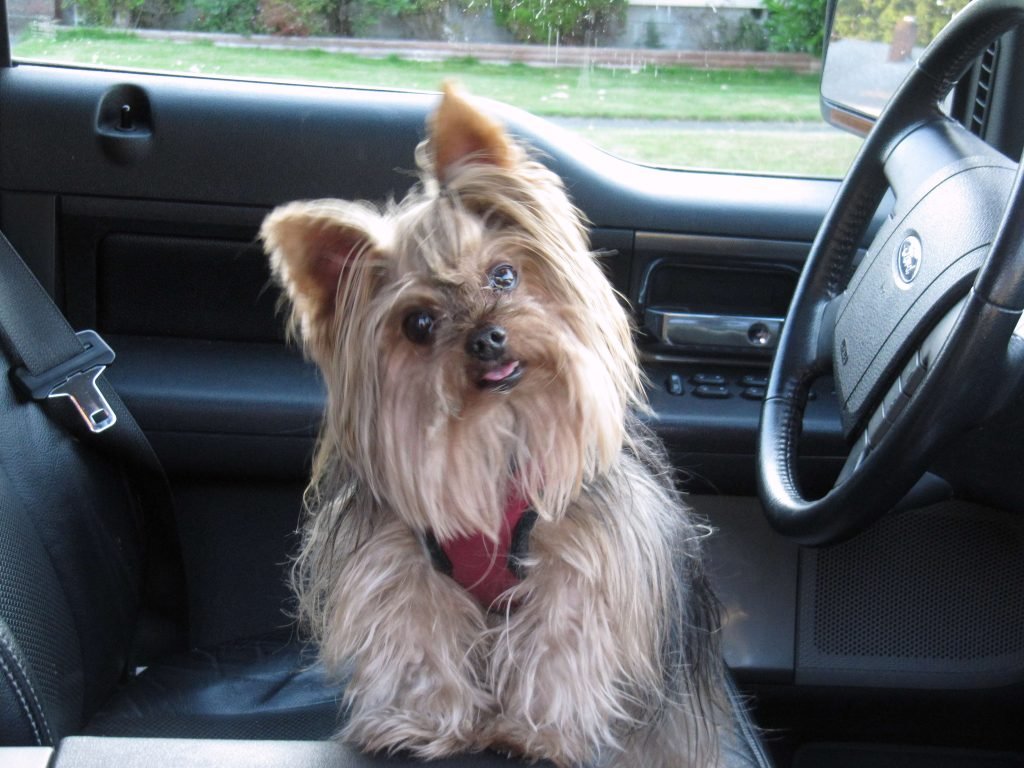
Your dog has been emptying the water bowl, asking to go out at night, and somehow losing weight while eating everything in sight. Or the bloodwork is already back and your veterinarian has used the word diabetes. For most dogs that means insulin injections for life, meals on a schedule, and regular rechecks. With those in place, the outlook for a treated diabetic dog is good.
What Diabetes Does to a Dog’s Body
Diabetes mellitus (from the Greek diabetes, “to pass through,” and the Latin mellitus, “honey-sweet”) usually develops when the pancreas loses the cells that make insulin. Insulin moves sugar out of the blood and into cells. Without it, sugar builds up in the blood while the cells go short of fuel, and the excess spills into the urine. That is why a diabetic dog can eat more and still lose weight. The biology of canine diabetes goes deeper, but the practical point is simple: the insulin is missing, and food alone cannot replace it.
Signs of Diabetes in Dogs Owners Notice First
The pattern most owners notice first is a dog that is drinking and urinating more. The bowl is empty by midday, or a dog that used to sleep through the night now asks to go out. Often the dog is hungrier too, and still losing weight. Cloudy eyes, lower energy, or a dull coat can appear later. When thirst, urination, and weight loss show up together, book a veterinary visit promptly. Those signs point toward diabetes without proving it, because heavy thirst in dogs has other causes, so blood and urine testing comes first.
Why Dogs Get Diabetes
The human labels of type 1 and type 2 do not map neatly onto dogs. A diabetic dog has usually lost its insulin-making cells outright, through immune attack, degeneration, or damage from chronic pancreatitis. It is mostly a disease of middle-aged and older dogs, and some breeds carry more risk, among them Australian terriers, beagles, Samoyeds, and keeshonden.
A second group of problems does not usually cause diabetes alone but makes insulin work less well. The list includes excess weight, Cushing’s disease, pancreatitis, steroid or progestin medications, and the hormones that follow a heat cycle. That last one is the reason to discuss spaying an intact diabetic female promptly with your veterinarian: removing the hormone drive can improve how she responds to insulin. Diet helps with control too, but it does not replace insulin.
How Is Diabetes in Dogs Diagnosed?
One high glucose reading is not enough to call it diabetes. Under the current diagnostic criteria, it takes three things together: blood glucose at or above 200 mg/dL, sugar in the urine, and the classic signs, with no other plausible cause. The caution exists because stress alone can raise a dog’s glucose, although in dogs the effect is mild and lasts only about four to six hours. If one result brought you here, our guide to high glucose in dogs explains why the urine result and the symptoms matter as much as the number.
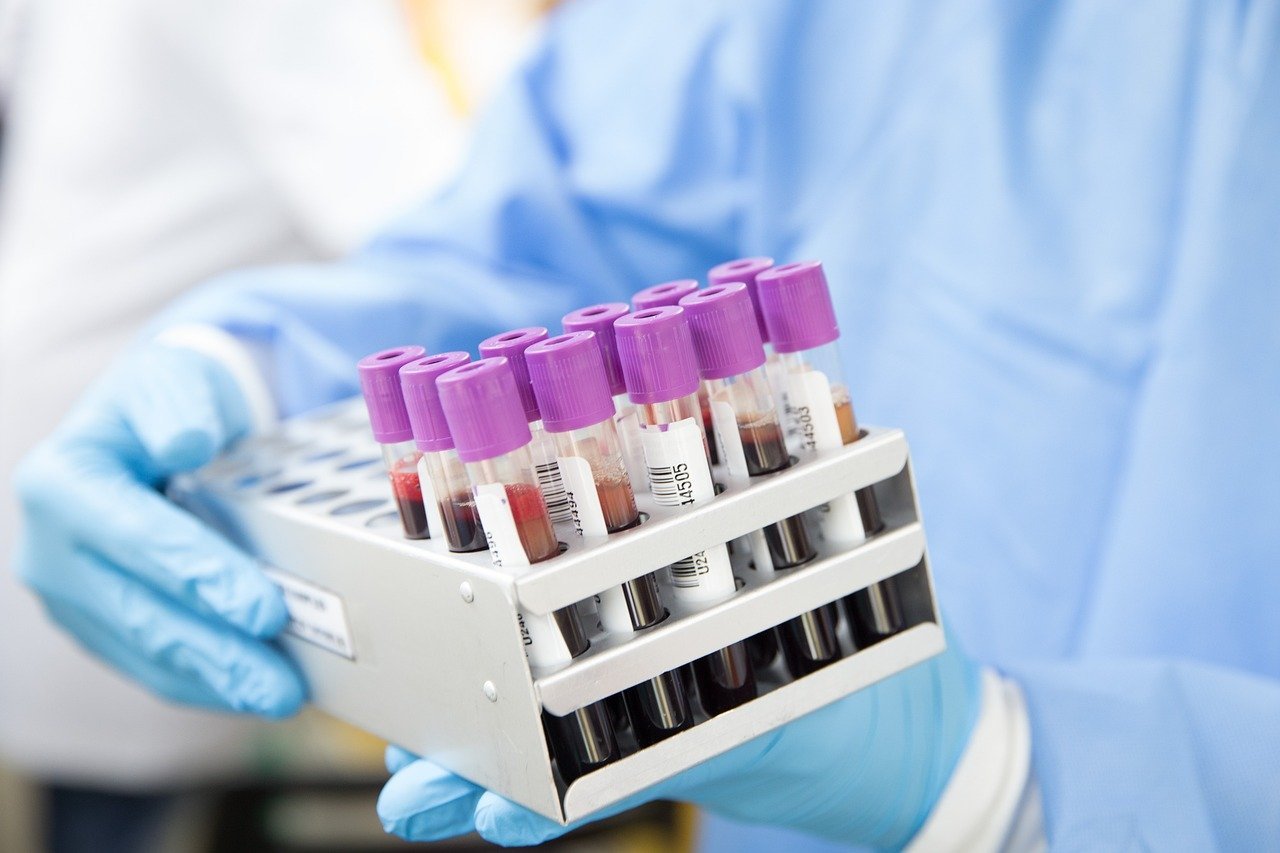
Your veterinarian will usually run a blood chemistry panel and a urinalysis, often with a complete blood count, to look for other problems that change the treatment plan. A urine culture is worth adding when there are signs of a urinary infection or an active urine sediment; it is not automatic for every dog. The same goes for pancreatic and thyroid tests, which are run when the examination points that way.
Insulin, Meals, and the Daily Routine
Every dog with clinical diabetes needs insulin, starting at diagnosis, because the insulin itself is what is missing. Many dogs go on an intermediate-acting insulin given about 12 hours apart, after a meal. Newer long-acting insulins such as degludec or glargine U-300 may work once a day in some dogs, and they do not have to be timed with food. Raise that option if your dog’s appetite or your own schedule is unpredictable. The insulin, the dose, and the timing all depend on how your dog responds, so tell your veterinarian plainly what routine you can keep.
Consistency is what makes insulin predictable: the same food, the same treats, similar exercise, and doses at the same times each day. Plan ahead for the meal your dog will not finish, because a full dose without the food to match it can push blood sugar too low. With a meal-linked insulin, current client guidance is a reduced dose instead of the full one when a dog eats less than 50% of a meal. If that happens two meals in a row, call your veterinarian. Ask for the exact instruction for your dog’s insulin in writing, especially if it is a long-acting one. Never add or increase a dose on your own.
Living With a Diabetic Dog
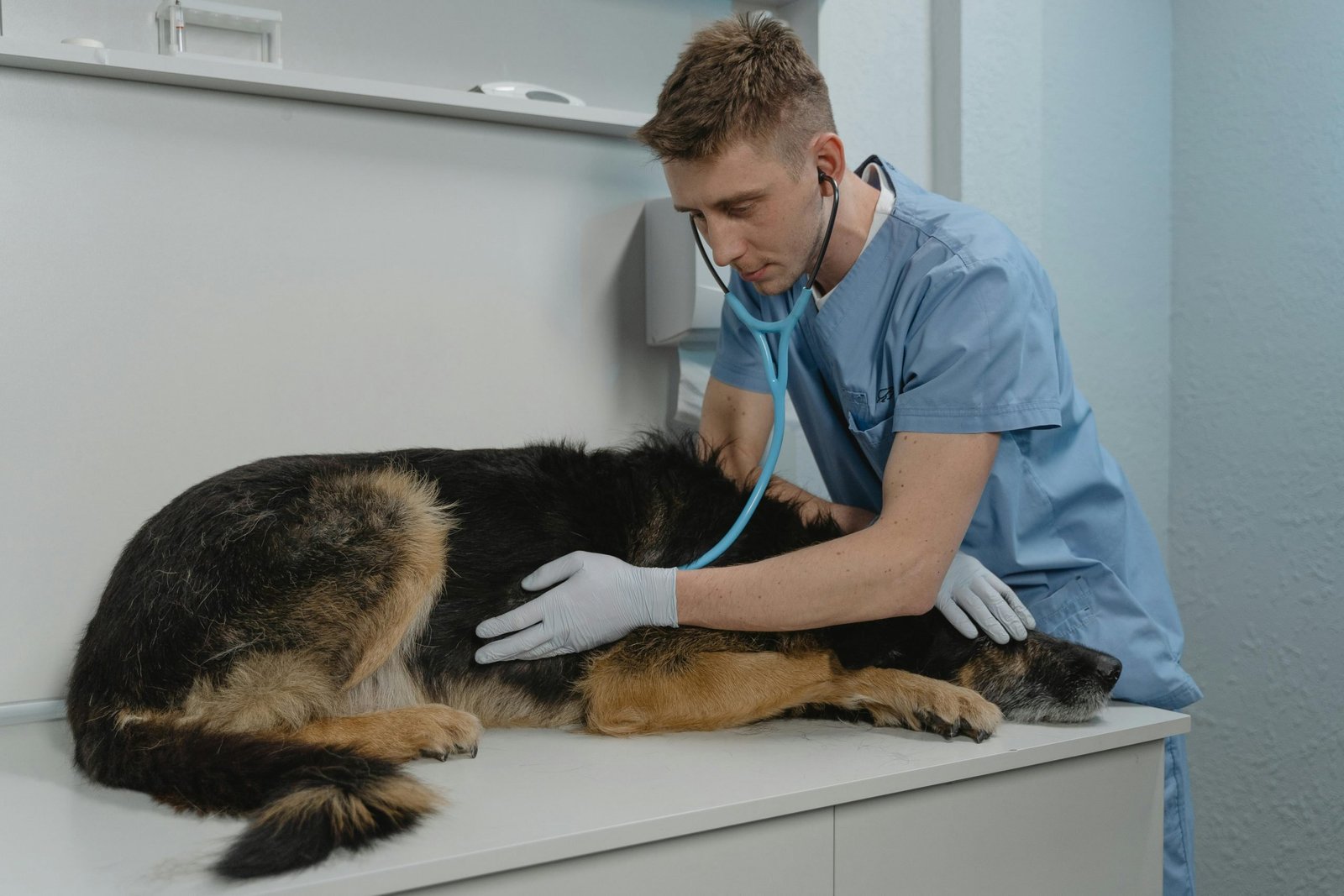
Your veterinary team will teach you to give the injections. The needles are fine, and many dogs soon accept them as part of the routine. Keep a written log of doses, meals, water intake, weight, and anything unusual, so a recheck can focus on what is changing. Thirst is the reading you can take every day without a needle. Diabetes counts as well controlled when the heavy drinking, urinating, and hunger are gone and weight is steady, so a dog that starts draining the bowl again needs a recheck. Expect visits at least every two weeks until the dose is settled, then every three to six months.
Travel, boarding, and shift work each need a plan for food, insulin, and supplies. Anyone who looks after your dog should know exactly when to give the prescribed dose, and what to do if your dog refuses a meal or seems unwell.
The Two Emergencies to Know, and Cataracts
Most diabetic dogs do well with steady care, but two problems cannot wait for a regular appointment: one comes from too little working insulin, the other usually from the insulin treatment itself.
Diabetic ketoacidosis develops when a dog does not have enough working insulin. The body burns fat instead of sugar, and the ketones this produces turn the blood acidic and leave the dog dehydrated. The signs are repeated vomiting, marked weakness, no interest in food, or sweet-smelling breath. Ketoacidosis is life-threatening, so go to the emergency vet immediately instead of waiting to see whether the next insulin dose helps.
Low blood sugar is the other emergency. Watch for unusual sleepiness or strange behavior, wobbliness, weakness, tremors, collapse, or a seizure. If your dog is alert and able to swallow, offer a small meal or a carbohydrate such as rice or bread, then go to a veterinarian. If your dog is poorly responsive or trembling, use the home first aid for low blood sugar: soak cotton-tipped swabs in 1 to 2 teaspoons of corn syrup and rub them between the cheek and gums. Then seek emergency care immediately. Keep your fingers out of the mouth and do not force liquid down the throat, because a barely conscious dog can inhale it. Follow your veterinarian’s instructions about the next insulin dose.
- 01
Repeated vomiting
With weakness or no appetite, this can mean ketoacidosis.
- 02
Marked weakness
A dog far weaker than normal, with or without vomiting.
- 03
Sweet-smelling breath
A sweet odor on the breath of a dog that is also unwell.
- 04
Wobbling or tremors
Unsteady walking, weakness, or trembling can mean low blood sugar.
- 05
Strange behavior
Unusual sleepiness or odd behavior in a dog on insulin.
- 06
Collapse or a seizure
Rub corn syrup on the gums and leave for emergency care.
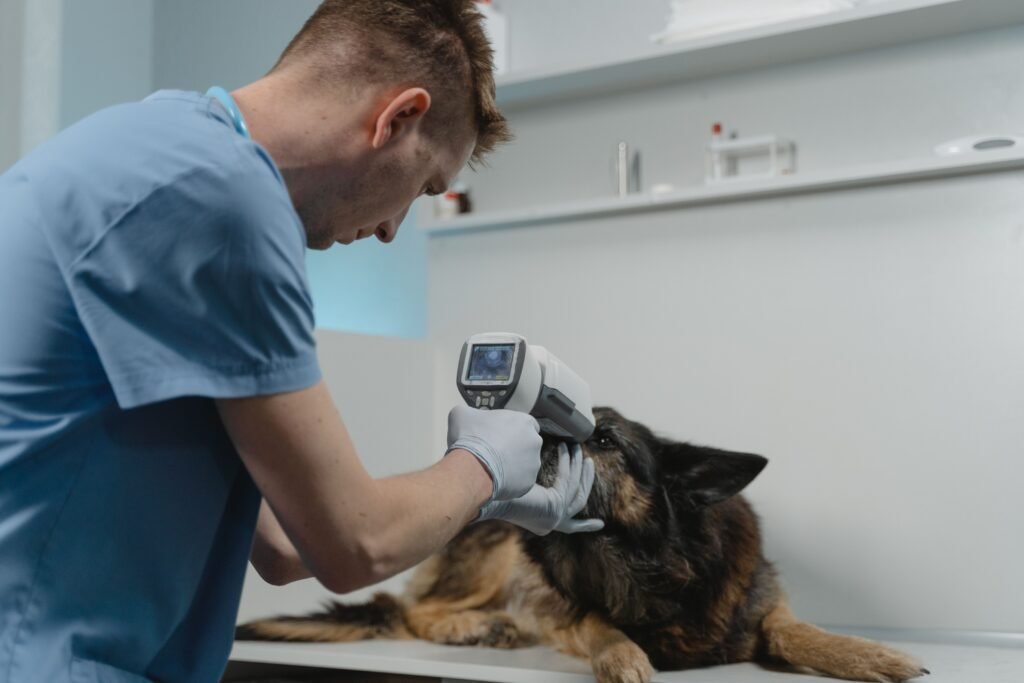
Cataracts (from the Greek katarraktes, “waterfall”) are the complication most owners will see for themselves. About 75 to 80 percent of diabetic dogs develop them within a year of diagnosis. They tend to form quickly and often set off severe inflammation inside the eye, which can lead to glaucoma. A newly cloudy, red, or painful eye needs a prompt veterinary visit, not a wait until the next recheck. For good candidates, cataract surgery in dogs has a reported success rate as high as 80 to 90 percent. It works best before the cataract is mature, so ask about a referral early.
Was the article helpful?