


A kidney panel runs on one plain rule. The numbers rise as filtration falls. Creatinine is a waste product of muscle metabolism, so it climbs once the kidneys stop clearing it well. BUN, short for blood urea nitrogen, tracks urea, a byproduct of protein metabolism that the liver makes and the kidneys excrete. SDMA, short for symmetric dimethylarginine, is the most sensitive of the three and can rise while creatinine is still normal. For the question of whether the kidneys are keeping up, that rule works.
But the rule does not answer the question you came with, which is how dangerous this number is. How high the number is tells you how much filtration has been lost. It does not tell you how fast it happened, what else on the panel moved with it, or how your dog is behaving this morning. Those are the three things that turn an abnormal result into an urgent one, and none of them is in the number. The usual dog kidney values show where each marker normally sits, and a high creatinine means more when read next to them.
Two things do work like a true danger signal, and neither is creatinine. One is potassium. The other is not on the page at all. It is how your dog is acting right now.
The Number Says How Much, Not How Fast
The same creatinine can describe two completely different situations depending on how long it took to get there. In acute kidney injury, creatinine can climb within hours to days, not weeks. Symptoms arrive fast and can be severe, and immediate treatment is critical. In chronic kidney disease the same values build gradually over months or years while the body partially compensates, which is why a dog can look genuinely well on numbers that read as frightening. That is why the difference between acute and chronic kidney disease is the first thing to sort out.
It also shapes the questions that come first. Your veterinarian will ask about recent symptoms, toxin exposure such as grapes or raisins, appetite changes, and urine output, because the history usually settles how urgent the bloodwork is.
Most abnormal kidney panels are not emergencies. With proper treatment, dogs with chronic kidney disease can live for a long time, even with clearly elevated creatinine or BUN. These dogs often drink more and urinate more while keeping a normal appetite and energy level. Management usually means monitoring, a kidney diet, and hydration support rather than hospitalization, with rechecks every three to six months to confirm the trend is not climbing.

Danger Shows Up on More Than One Line
Severe kidney failure rarely changes just one value. Your veterinarian also reads phosphorus, potassium, acid-base balance, and hydration, because the system tends to fail as a group. So one elevated result with everything else in range is a different situation from a panel where several values have moved together in a dog who is clearly unwell. Critical situations almost always look like the second one.
What actually makes a dog with failing kidneys feel sick is uremia (from the Greek ouron, urine, and haima, blood), waste products accumulating in the bloodstream faster than the body can compensate. Uremia brings the typical signs of kidney dysfunction: loss of appetite, vomiting, diarrhea, dehydration, and ulcers in the mouth. In severe cases it can affect the brain as well.

Phosphorus is the quieter of the two minerals. It tends to rise as kidney function declines, and restricting phosphorus is beneficial in chronic kidney disease. Potassium is the one that can turn a bad week into a bad hour.
One Number Here Really Is a Cutoff
Owners often ask for one exact cutoff, and for the kidney markers themselves there isn’t one. Potassium is the exception, and it is the more immediate worry in acute kidney injury. A dangerously high potassium level, above roughly 7 mEq/L, is a medical emergency in its own right, because potassium that high can push the heart into dangerous rhythms. That is not a result to recheck next week.
Your dog’s behavior is the second line, and it is the one you can read without a laboratory. Uremia is a whole-body state, so by the time waste products are high enough to make a dog visibly ill, how your dog looks matters more than the panel. Any one of these signs means your dog should be seen today, whatever the lab value says.
- 01
Persistent vomiting
Vomiting repeatedly, not just once
- 02
Not eating for over a day
Refusing food for more than a day
- 03
Severe lethargy
Suddenly and extremely lethargic
- 04
Disorientation
Confused or not responding normally
- 05
Collapse
Unable to stand or stay on their feet
- 06
Little or no urine
Minimal or absent urine production
The signs of kidney failure in dogs go through these in detail. Urine output needs particular attention, because in acute kidney injury a dog making little or no urine has a higher risk of dying. Do not wait because you are unsure whether a value counts as critical. A call about a number that turns out to be nothing is better than sitting on one overnight.
The Dog Outranks the Panel
Two dogs with the same creatinine can be in very different places, and what separates them is how they are behaving, not the printout. A dog with moderately high numbers but a steady appetite and good hydration may simply be monitored closely. A dog whose values are rising fast and who has started vomiting needs immediate intervention. In acute kidney injury those signs can arrive suddenly, along with dehydration, and hospitalization with intravenous fluids is often needed.
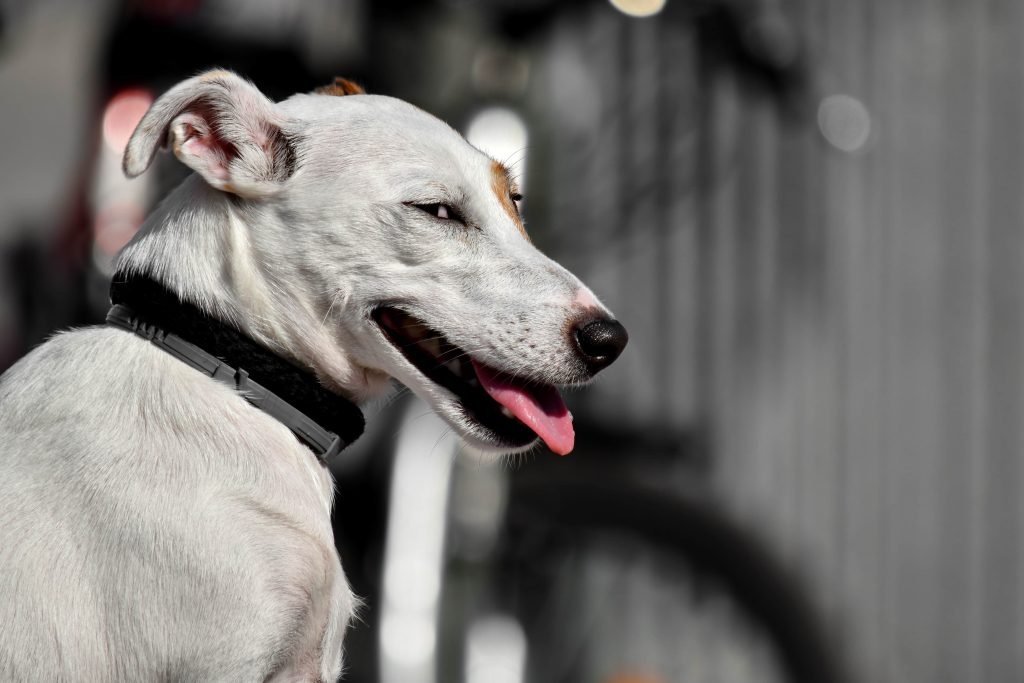
The cause matters as much as how high the number is. Toxin exposure, severe infection, or urinary obstruction can each turn a kidney problem into an emergency that needs urgent treatment. How much function returns depends more on what caused the injury than on how high the numbers climbed, so real recovery is possible even after a dramatic spike. A frightening peak is not a verdict.
What to Do With the Number in Front of You
Your veterinarian weighs how high the creatinine and BUN are and how fast they rose compared with earlier tests, then adds the electrolytes, how concentrated the urine is, hydration, and how your dog is actually doing. That context, not how high a number is, decides the danger.
So the number on your report is a starting point rather than an answer. Either pattern, the sudden spike or the slow climb, needs a real conversation with your veterinarian about whether the change is mild, moderate, or severe, and whether it is acute or chronic. Ask when the recheck should be and what they will watch for in between. Bring the previous results if you have them. Two numbers a month apart tell you more than one that looks dramatic alone.

Was the article helpful?