
Your vet found a lump during the exam and mentioned wanting to run a fine needle aspirate before you had time to ask what that meant. It sounds more invasive than it is, and it is usually the very first, most sensible step toward an answer. Most lumps checked this way turn out to be benign, though only the results can say for sure in your pet’s case.
Quick answer: A fine needle aspirate uses a small needle to collect cells from a lump or organ for examination under a microscope. It takes a few minutes, rarely needs sedation, and often gives useful information the same day.
What Is a Fine Needle Aspirate?
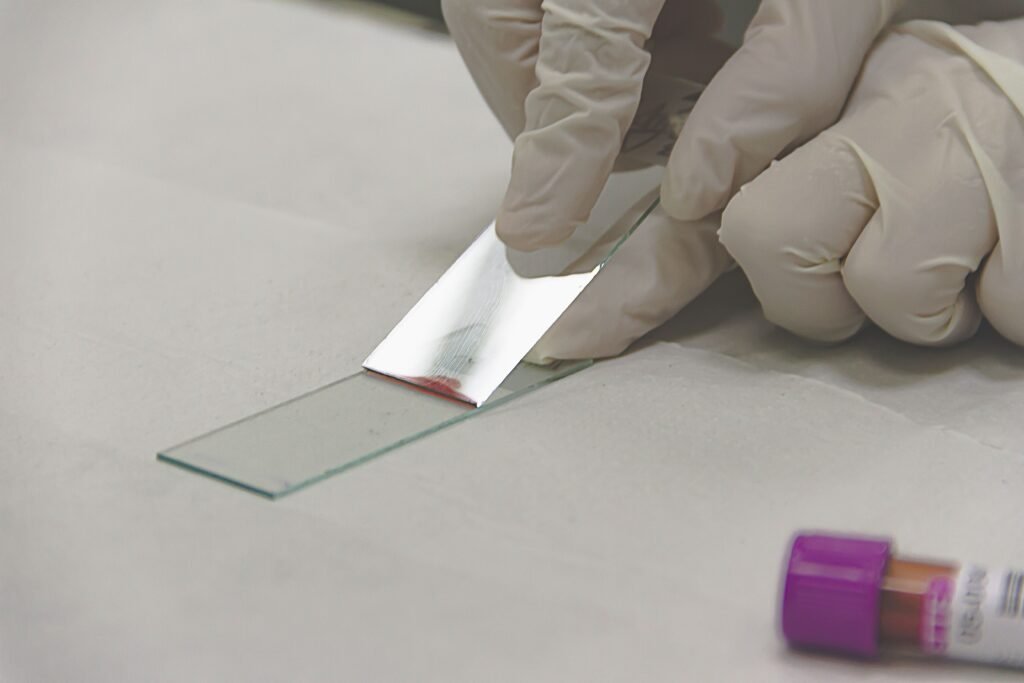
A fine needle aspirate, or FNA, involves inserting a thin needle into a mass, lymph node, or organ and drawing back gently to collect a small sample of cells. Those cells are then smeared onto a slide and examined under a microscope, a process called cytology (from the Greek “kytos” for cell and “-logy” meaning the study of).
It is different from a biopsy, which removes a larger piece of tissue and shows the actual architecture, not just individual cells. An FNA is faster, cheaper, and far less invasive, which is exactly why it is usually tried first.
Why Would My Vet Recommend One?
The most common reason is a new lump or bump that needs to be characterized before deciding what, if anything, to do about it. Many skin masses in dogs turn out to be benign fatty tumors or cysts that an FNA can identify in the exam room within minutes.
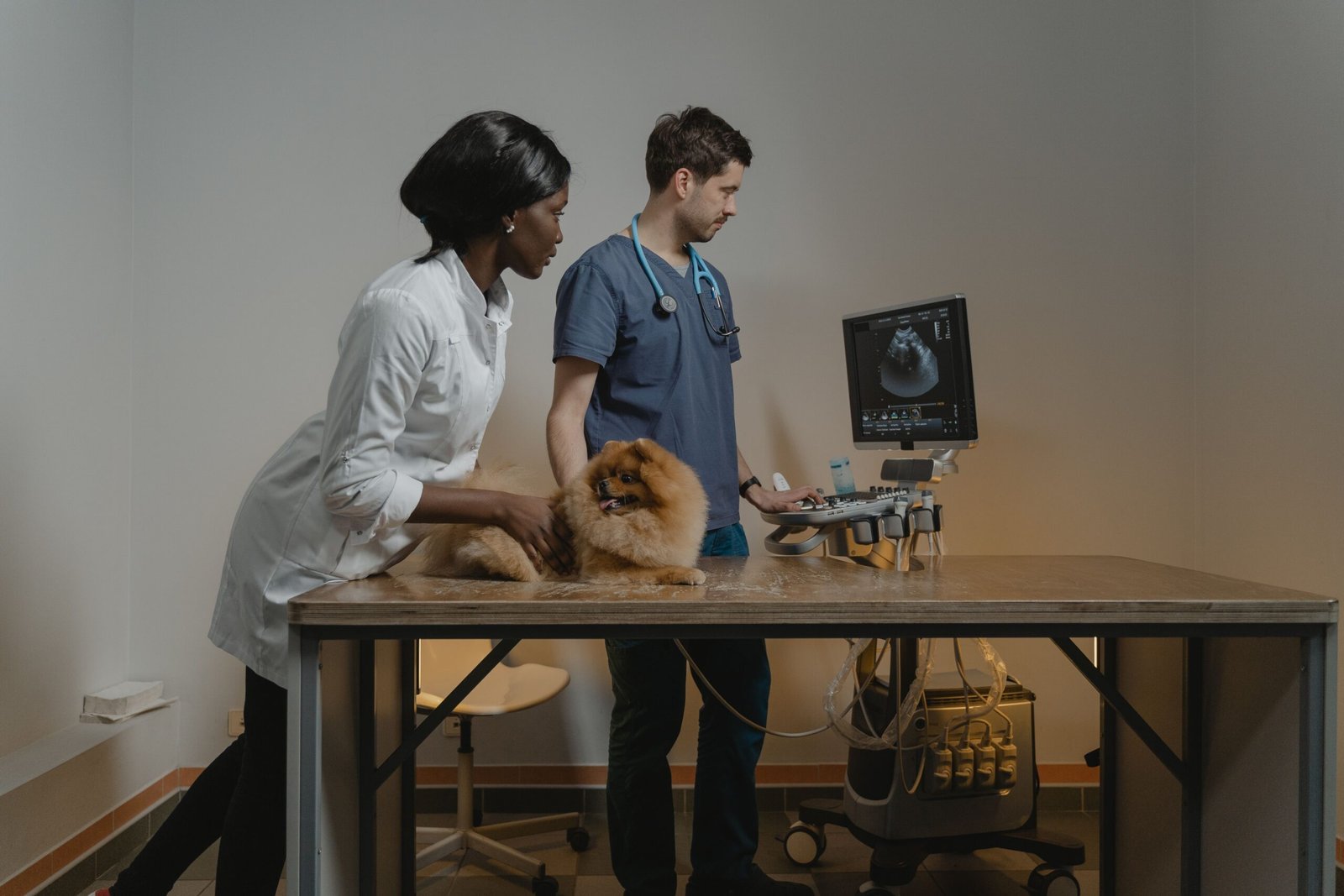
An FNA can also be used on enlarged lymph nodes, abdominal organs under ultrasound guidance, or fluid buildup in the chest or belly, not just external lumps. Your vet is trying to gather information with the least invasive tool that will actually answer the question.
Is the Procedure Painful for My Pet?
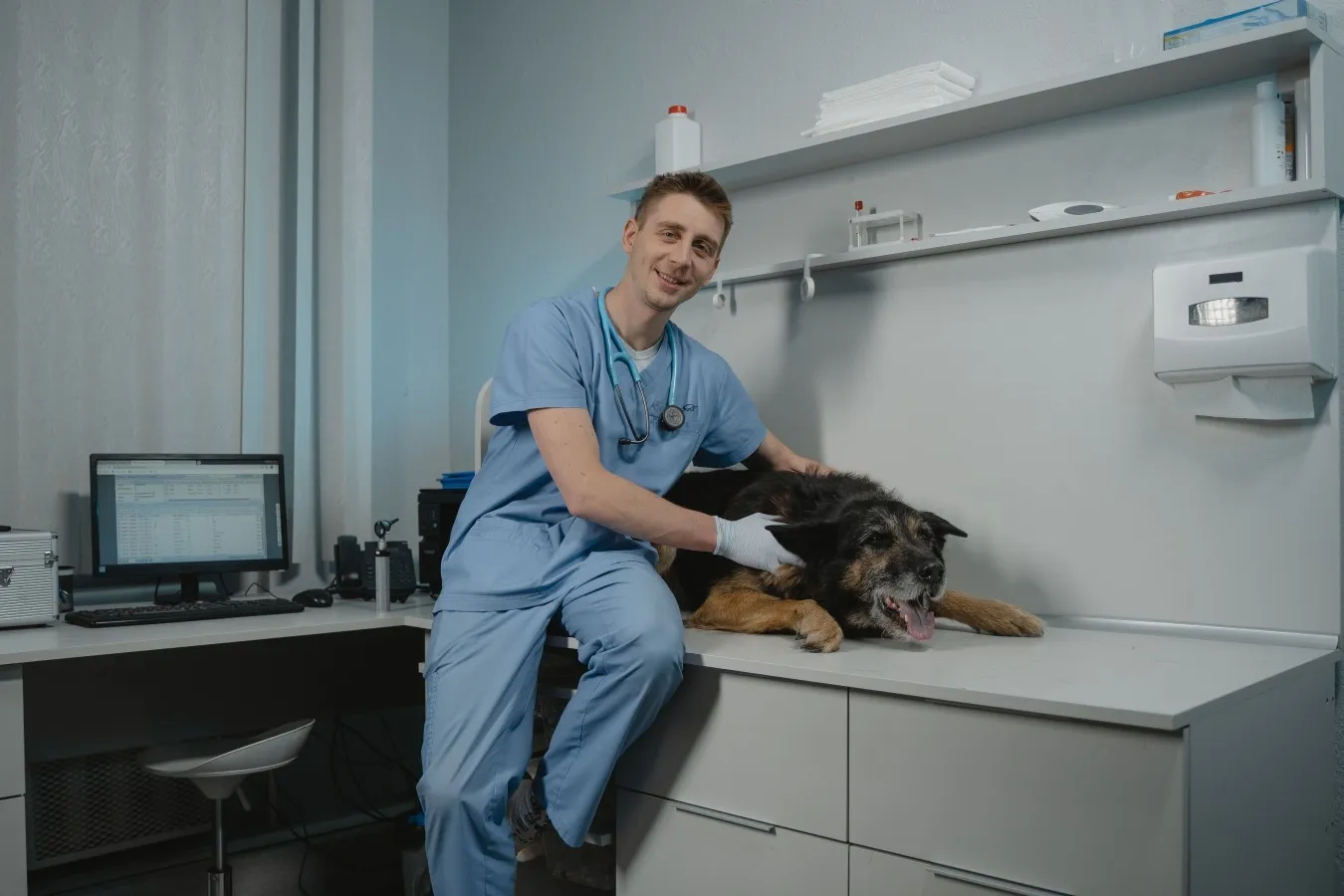
Most pets tolerate an FNA of a skin or subcutaneous mass with little more reaction than a typical vaccine, and sedation is rarely needed. A few quick needle passes into the mass is usually all it takes, and most dogs and cats barely react.
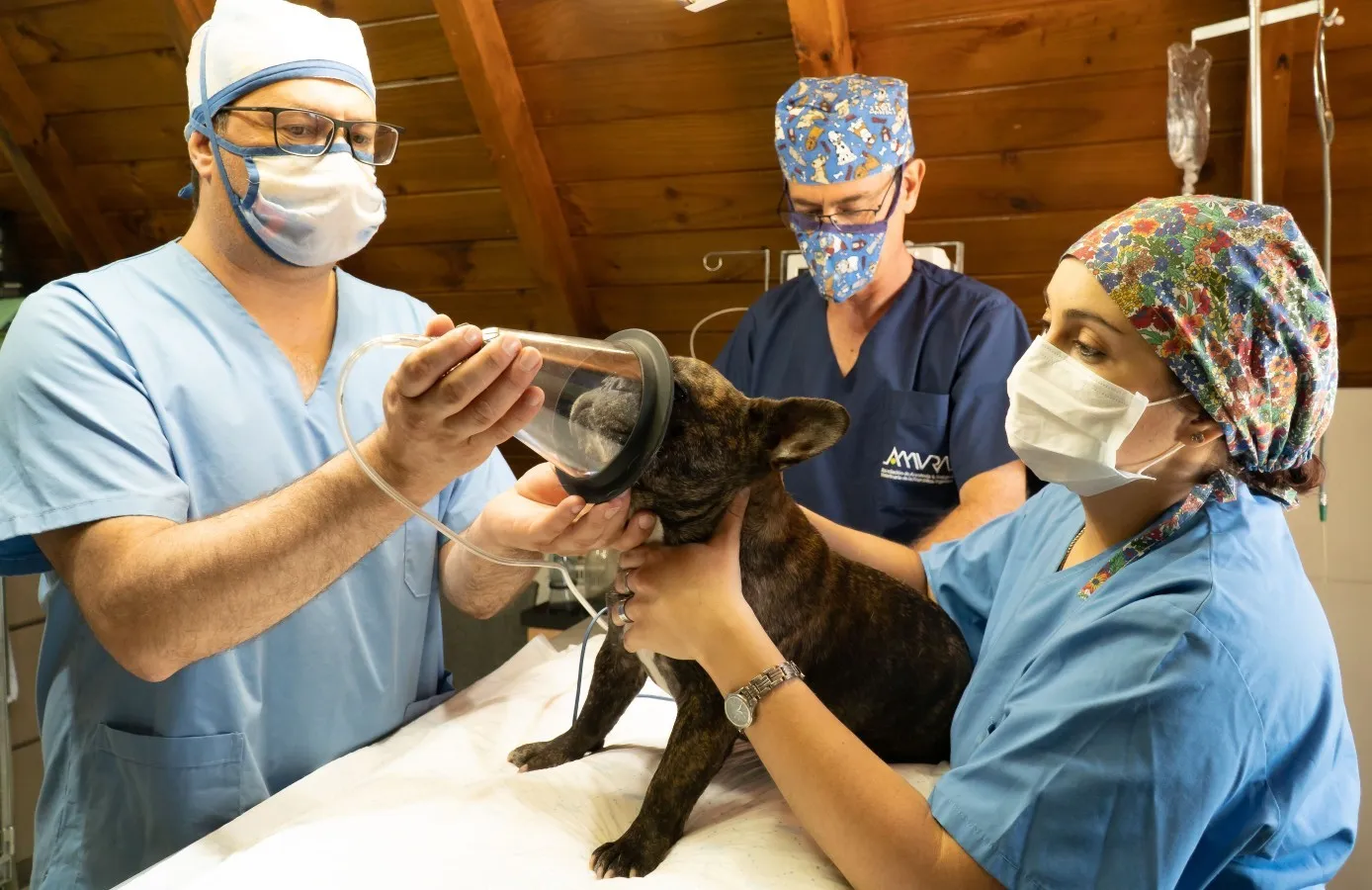
Aspirates of internal organs are a different story since they usually require ultrasound guidance and some form of sedation to keep your pet still and safe. Your vet will walk you through what level of sedation, if any, fits your pet’s specific situation.
What Happens to the Sample Afterward?
The cells collected are smeared onto glass slides, stained, and either examined in-house by your vet or sent to a veterinary pathologist for a specialist read. In-house results are often available the same day, while pathologist reads typically take one to three business days.
A standard FNA usually costs \$50 to \$200 for the collection and in-house look, and sending the sample out to a boarded pathologist adds to that total and stretches the wait to a few days — but it is worth it for anything ambiguous or concerning on the in-house look. Ask your vet which route they are taking and why for your pet’s specific sample.
What Do the Results Actually Tell Us?
A good FNA can distinguish between an inflammatory process, an infection, a benign growth, and a malignant one in a meaningful share of cases. That single piece of information often changes everything about the recommended next step, from “monitor it” to “let’s schedule surgery.”
See a vet promptly if: a lump is growing quickly, has changed shape or color, or is bothering your pet, since a fast-growing mass benefits from being aspirated sooner rather than waiting for the next routine visit.
What Are the Limits of an FNA?
An FNA samples a small number of cells from one spot in a mass, so it can miss disease if the needle happens to land in a less representative area. Some tumor types, especially certain sarcomas (tumors that arise from connective tissue such as fat, muscle, or fibrous tissue), are notoriously difficult to diagnose from cells alone because their diagnosis depends on tissue architecture that only a biopsy can show.
A “normal” or inconclusive FNA does not always mean a mass is nothing to worry about, particularly if it keeps growing or your vet remains suspicious on exam. This is one of the more important nuances owners often miss.
What Happens Next if Results Are Unclear?
When an FNA is inconclusive, your vet has a few reasonable paths forward: repeat the aspirate, watch and recheck the mass on a schedule, or move to a full biopsy for a definitive answer. Which path makes sense depends on the mass’s location, how fast it is changing, and your pet’s overall health.
| Test | What It Samples | Sedation Needed | Turnaround |
|---|---|---|---|
| Fine needle aspirate | Individual cells | Usually none | Minutes to a few days |
| Incisional biopsy | A piece of the mass | Local or general | 3 to 7 days |
| Excisional biopsy | The entire mass | General anesthesia | 3 to 7 days |
| Bloodwork panel | Blood cells and chemistry | None | Minutes to hours |
Further Reading
Dog Blood Chemistry Panel Explained is a good companion read if your vet is running bloodwork alongside a mass workup.
Was the article helpful?