
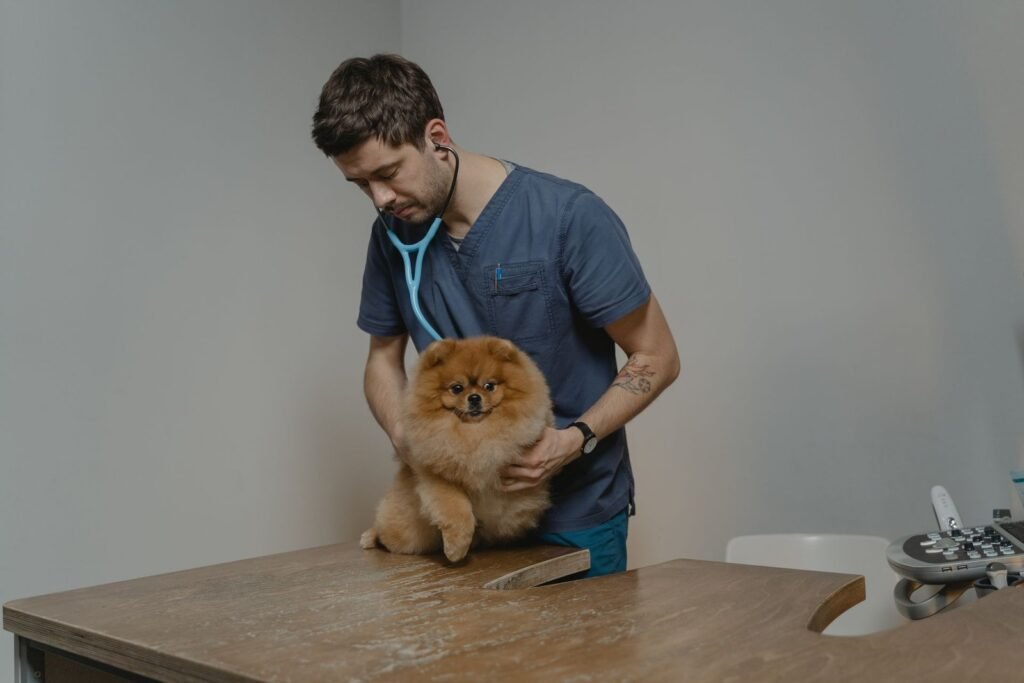
Your dog stops in the middle of the room, plants its front legs, stretches its neck, and starts dragging air in through its nose in loud, rapid snorts. It looks like choking. Half a minute later the same dog is sniffing the floor as if nothing happened. That is the usual picture of reverse sneezing in dogs, and for most dogs these episodes are sporadic, mild, and need no treatment.
What matters is telling an ordinary reverse sneeze from real trouble breathing. A dog that is back to normal the moment the episode ends is rarely the one to worry about. A dog with blue gums, or one still working to breathe afterward, needs a vet now, and those signs are listed below.
What a Reverse Sneeze Actually Is
The medical name is paroxysmal respiration (from the Greek paroxysmos, meaning a sudden attack or fit), which fits how abruptly episodes start and stop. Something irritates the back of the nasal passage, and the reflex that follows is a muscle spasm where the mouth meets the throat. A normal sneeze pushes air out through the nose. A reverse sneeze pulls it in, fast and over and over, which is where both the name and the noise come from.
An episode can last anywhere from a few seconds to a minute or two, and many are over in about 30 seconds. It is not painful, and it is a good deal scarier for the person watching than for the dog.
What an Episode Looks Like
The dog usually stands still with its neck stretched out, elbows turned outward, and mouth closed. Then comes a run of loud snorts or honks as it pulls air in through the nose, with the chest and belly pumping hard.
| Sign | Reverse sneezing | Something more serious |
|---|---|---|
| Duration | A few seconds to a minute or two | Does not settle on its own |
| Breathing | Normal before and after | Labored even between episodes |
| Gum color | Normal pink | Blue or gray |
| Nose | Clean | Discharge or bleeding |
| Frequency | Occasional | Frequent or increasing |
Start with the breathing row. A dog that goes straight back to normal breathing and normal behavior once the episode stops fits the pattern of an ordinary reverse sneeze. Trouble that carries on between episodes points to something else.
What Sets It Off
The common triggers are excitement, pulling hard on the leash, and eating or drinking too fast, along with dust, pollen, and other airborne irritants. In many dogs no cause is ever found, and that is normal too. If you notice that episodes follow the same thing each time, such as the first minutes of a walk or a rushed dinner, you have something you can actually change.
Which Dogs Get It Most
Any dog can reverse sneeze, at any age. It is reported more often in smaller dogs, those under about 15 kg (33 lb), than in medium and large dogs. It is also more common in brachycephalic (from the Greek brakhys, “short,” + kephale, “head”) breeds such as Pugs, Shih Tzus, Bulldogs, and French Bulldogs. In short-nosed dogs the shape of the airway itself can be part of the cause, so frequent episodes in these breeds are worth raising with your veterinarian. Breed is a pattern, though, not a rule.
How to Help During an Episode
Most episodes end on their own, so you do not have to do anything. If you want to shorten one, you can gently massage the throat, hold the nostrils closed for a few seconds, or blow lightly in the face. Each of these encourages a swallow, and a swallow seems to be what interrupts the spasm.
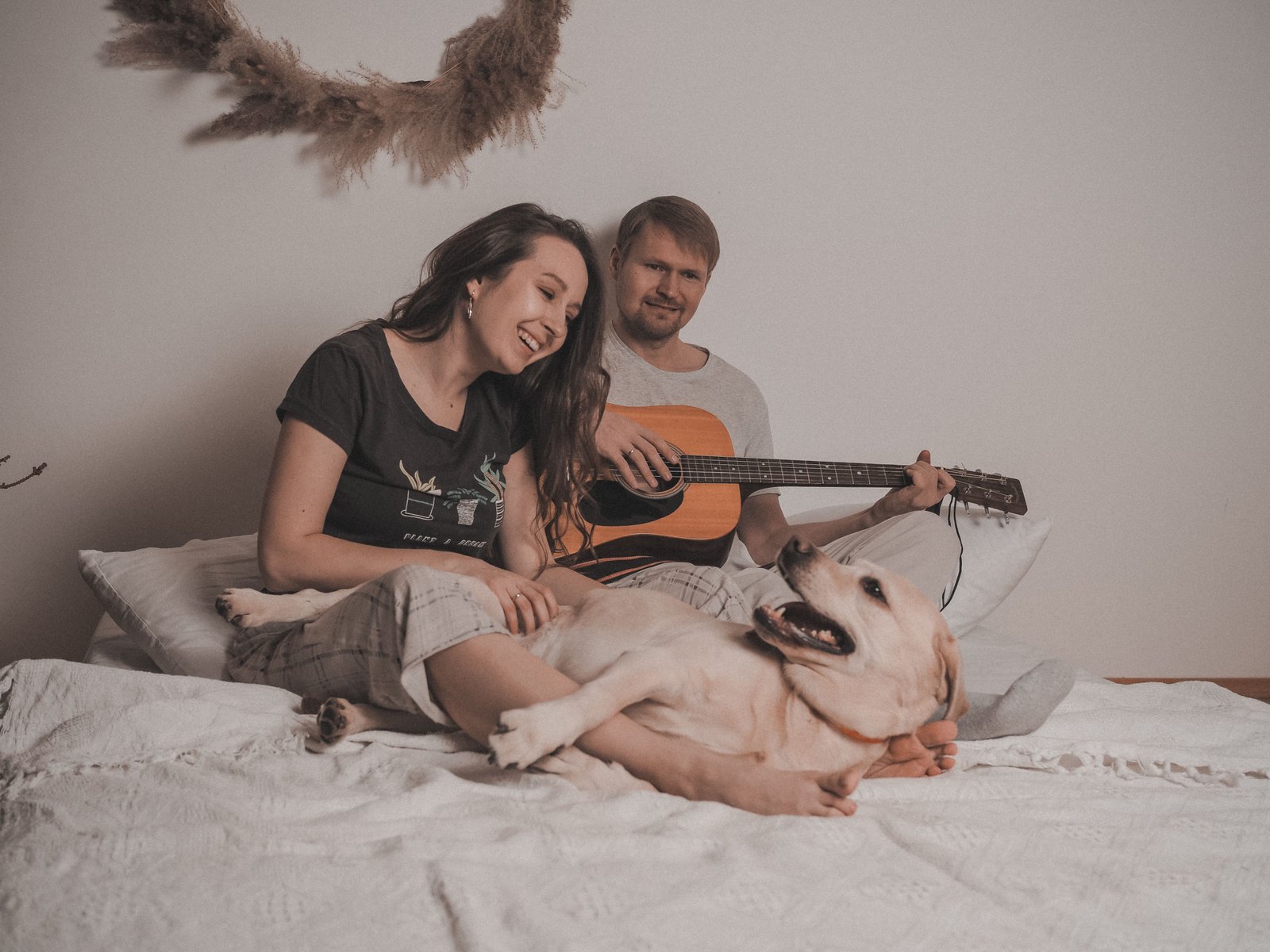
Stay calm and keep your voice low, because comforting the dog helps too. Grabbing or restraining a dog in the middle of a strange sensation only adds stress without ending the episode any sooner. The first time it happens, film it on your phone. The sound is hard to describe and easy to recognize, so a short video gives your veterinarian far more to go on than your best impression of a honk.
When Should Reverse Sneezing Worry Me?
Go to the emergency vet now: blue or gray gums, labored breathing that continues after the episode, or weakness or collapse are signs of respiratory distress, which means your dog is not getting enough air. Do not wait to see whether it passes. Go to the vet immediately.
Short of that, call your veterinarian the same day if an episode does not stop on its own the way the others have, if episodes start coming many times a day, or if the snorting comes with nasal discharge, a nosebleed, coughing, or a dog that seems unwell. Chronic or recurring episodes need an appointment as well, even when each one looks mild.
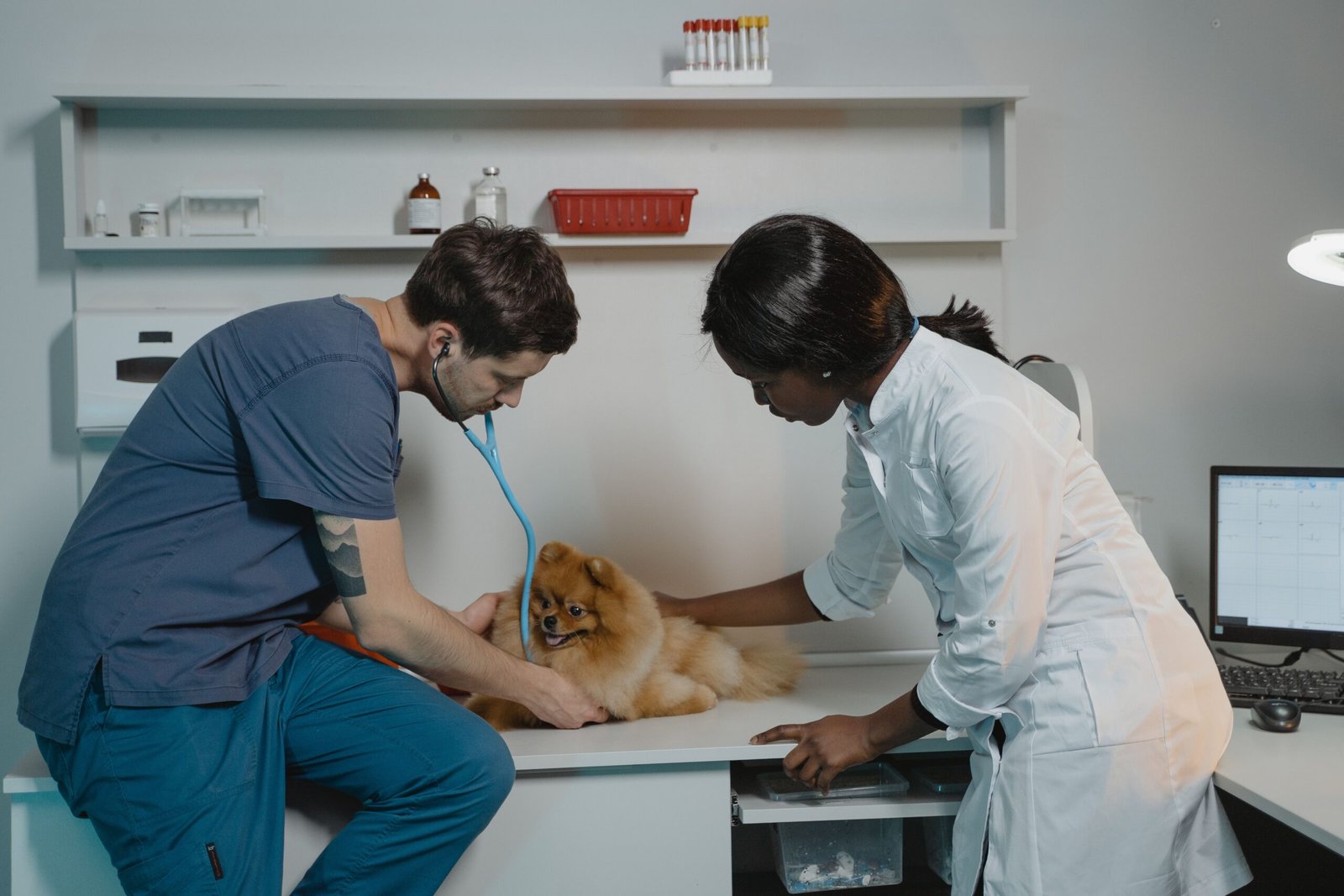
The reason is that a few other problems can cause reverse sneezing or look like it. Grass seeds and other foreign material in the nose, infections, growths, and nasal mites all irritate the same area, and mites can also cause nosebleeds and nasal discharge. A dry, honking cough that has gone on for a long time is something else again. It is the typical sign of tracheal collapse, which is most common in toy and miniature breeds. When episodes persist, your veterinarian may look further with a sedated exam of the mouth and throat, X-rays of the head, or rhinoscopy (from the Greek rhis, “nose,” + skopein, “to look”), a small camera passed into the nose.
Can Reverse Sneezing Be Prevented?
Not entirely, but you can often make it rarer by removing the trigger. If leash pulling sets it off, a harness instead of a collar takes the pressure off the throat. If it happens at the food bowl, a slow feeder bowl stops the gulping.
Dust and pollen are harder to control at home. When episodes are frequent, allergies and nasal mites are two things a veterinarian may treat for, so I would have that conversation before rearranging the house around a guess.
Was the article helpful?