
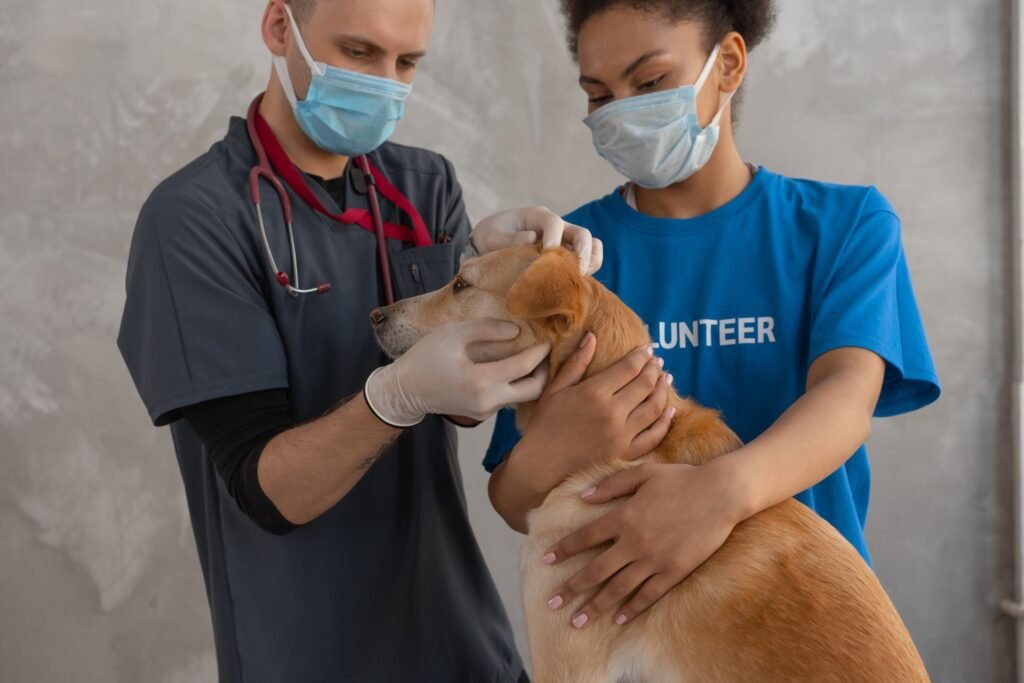
If your vet has just said the words kidney disease, or a senior blood panel came back with kidney values flagged, it is easy to hear an emergency. Sometimes it is one. More often in an older dog it is a slow disease that cannot be reversed but can be managed, and what that management looks like depends on the stage your dog is in.
What Is Kidney Disease in Dogs?
The kidneys filter waste products out of the blood and regulate hydration, blood pressure, and several key minerals. Kidney disease means that filtering capacity has been reduced, either suddenly (acute kidney injury) or gradually over months to years (chronic kidney disease).
Chronic kidney disease is a slow, progressive loss of working kidney tissue that cannot be reversed. Acute kidney injury, by contrast, often has an identifiable trigger, such as toxin exposure, a severe infection, or a blocked urinary tract, and can sometimes improve substantially with prompt treatment. That is why working out which of the two a dog has comes first.
The kidneys have a lot of reserve capacity, which is both good and bad news. Good, because a dog can lose a large share of kidney function and still seem well. Bad, because thirst and urination usually change only once about two-thirds of the kidney tissue is damaged, and the standard blood markers rise later still, at roughly three-quarters.
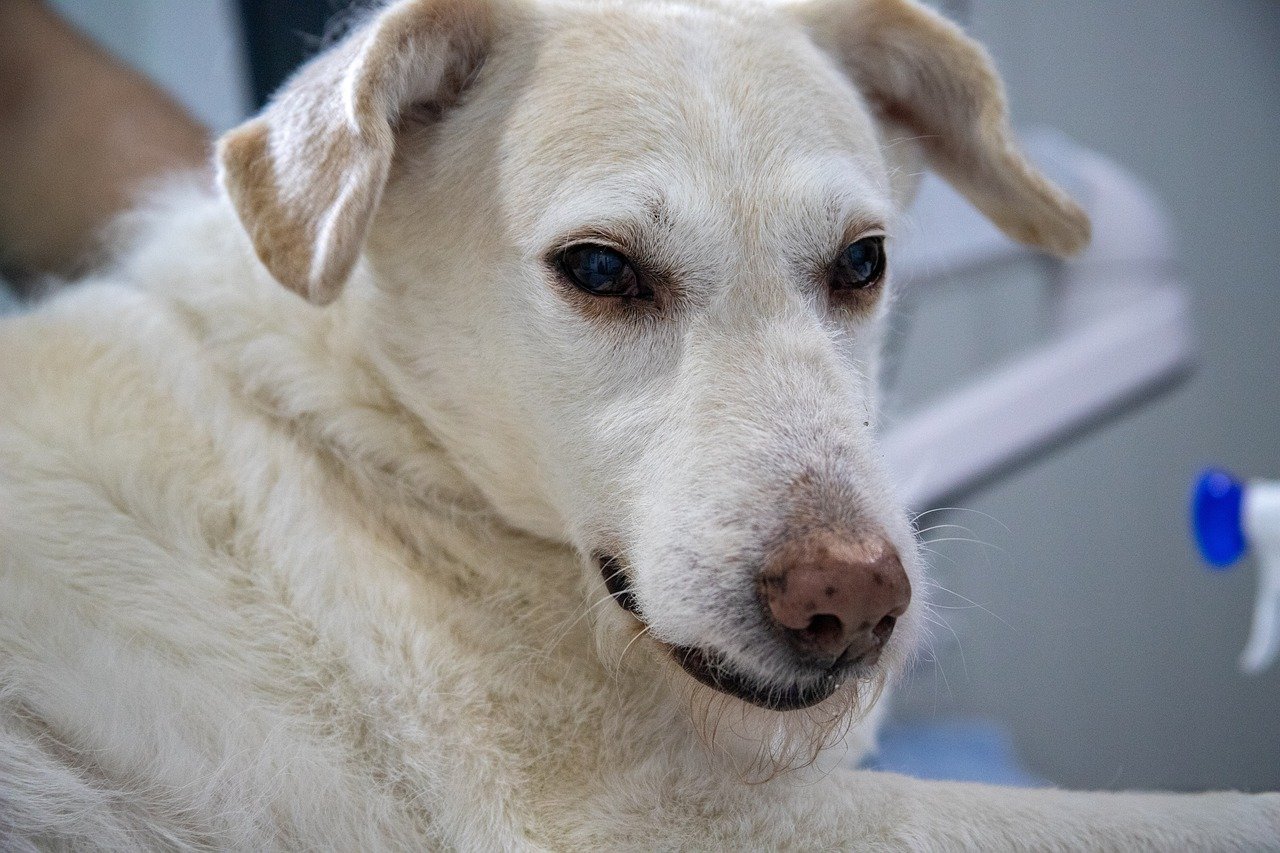
The Early Warning Signs
Polydipsia and polyuria (Greek: poly, meaning many or much, dipsa, meaning thirst, and ouron, meaning urine) describe increased drinking and urinating, and together they are usually the first sign owners notice. The kidneys lose their ability to concentrate urine properly, so the dog passes more of it and has to drink more to keep up.
A dog that is drinking noticeably more water than usual, having accidents in the house, or asking to go out more often deserves a vet visit, even if it otherwise seems fine. Ask for bloodwork and a urine test. Heavy drinking has several other causes too, and those tests are how your vet tells them apart. Weight loss, a dull coat, a fading appetite, and intermittent vomiting tend to appear later, as the disease progresses.
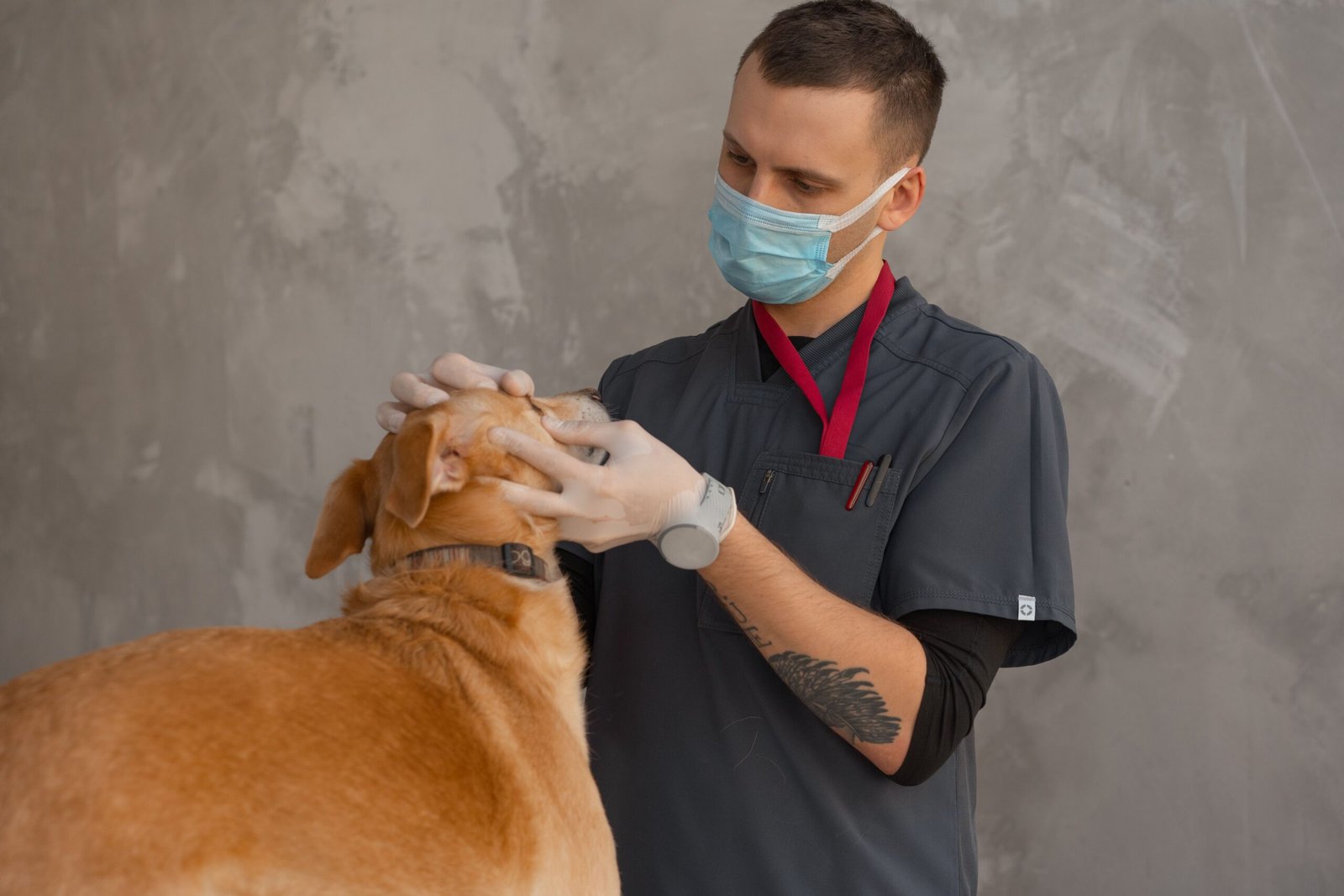
How Vets Diagnose Kidney Disease
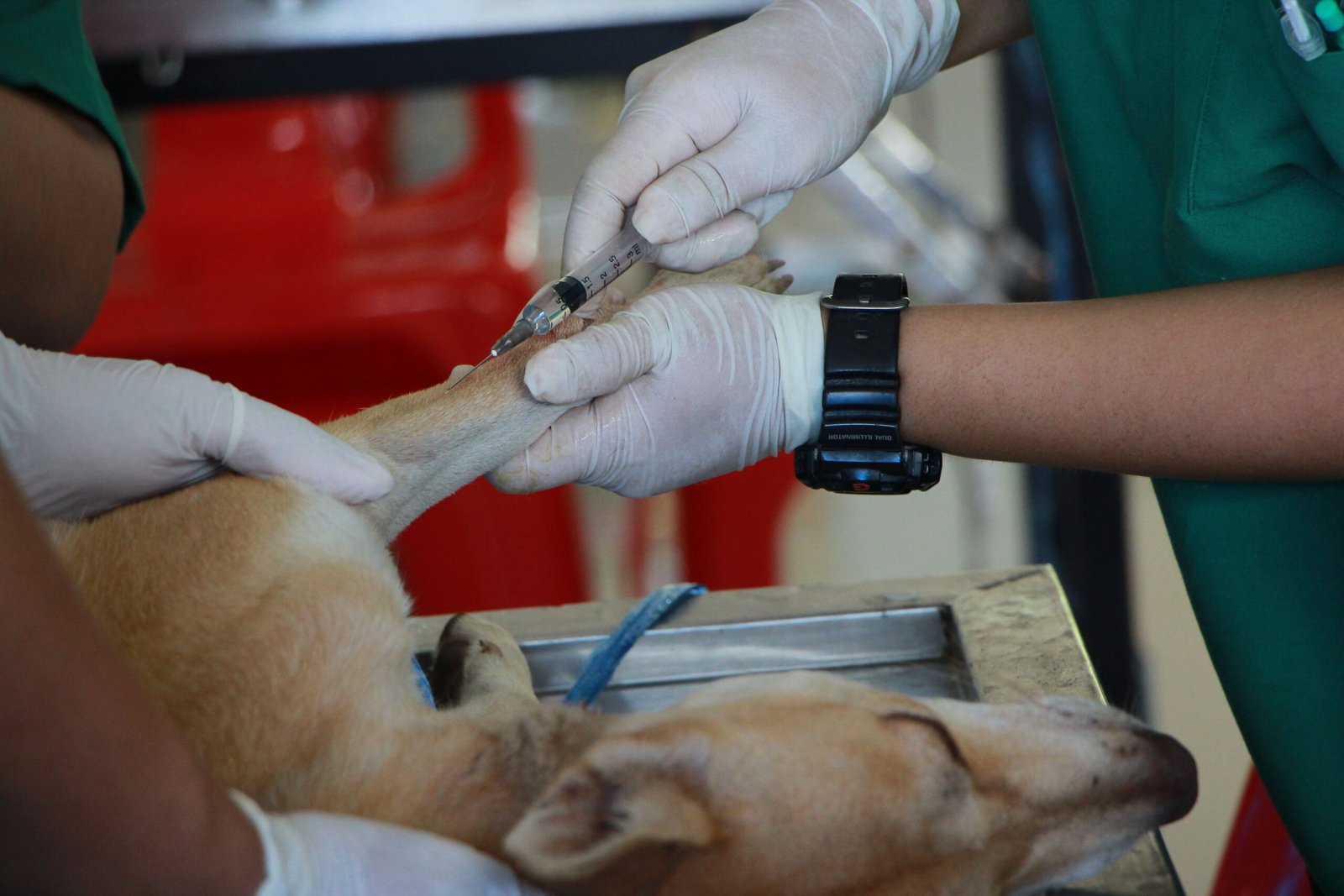
A combination of bloodwork and urinalysis confirms the diagnosis and shows how advanced it is. Creatinine and BUN (blood urea nitrogen) are the traditional markers. SDMA is a newer marker that can pick up kidney dysfunction earlier, often before creatinine rises meaningfully.
A urine sample is just as important as bloodwork. It shows whether the kidneys are still concentrating urine properly and whether protein is leaking into the urine, and both affect staging and prognosis. Blood pressure measurement is also standard, since high blood pressure often accompanies kidney disease and is part of how the disease is sub-staged.
The Four Stages of Kidney Disease
Veterinarians use a staging system from the International Renal Interest Society, based mainly on blood creatinine and SDMA levels, to classify chronic kidney disease into four stages. Staging matters because treatment recommendations, monitoring, and diet changes differ at each stage.
The bigger change from stage to stage is the goal of care. In stages 1 and 2, most dogs have few outward signs, and treatment aims to slow the disease and preserve the kidney function that remains. From stage 3 on, signs become more common. By stage 4, keeping your dog comfortable usually matters more than slowing the disease.
Sub-staging based on protein loss in the urine and blood pressure further refines the picture within each stage. This is why two dogs at the same numerical stage can look quite different clinically, and why your vet may recommend different monitoring intervals for each.
Treating Kidney Disease, Starting With Diet
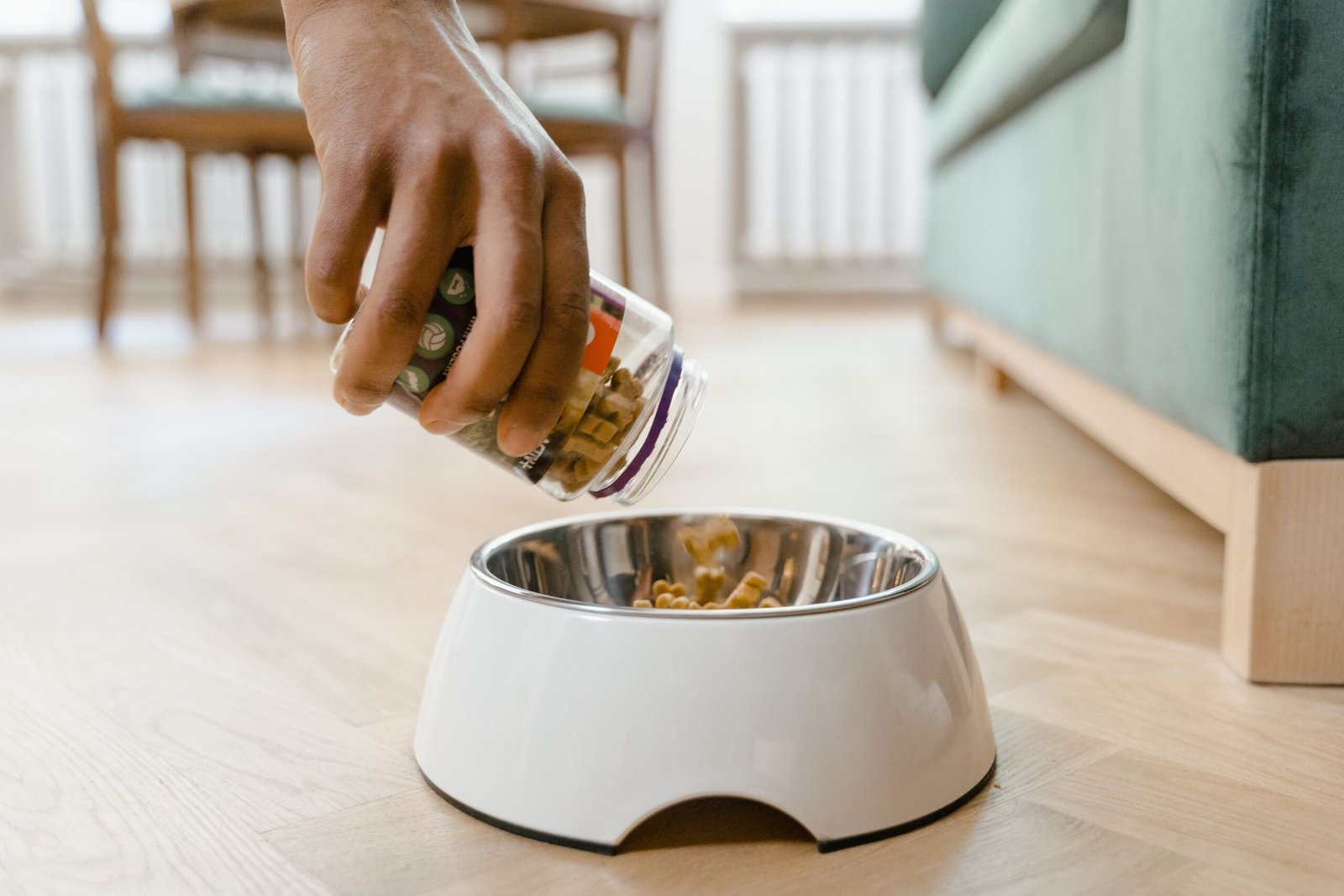
A prescription renal diet, made with reduced but higher-quality protein and less phosphorus, is the backbone of treatment. Dogs fed a renal diet live longer and go longer before a uremic crisis, the point where built-up waste makes them acutely ill. Getting a dog to actually eat the diet matters as much as prescribing it. A dog that still feels well is far more willing to try a new food. That is why the switch goes most smoothly early in the disease, before appetite starts to fade. I would make the change as soon as your vet recommends it, rather than waiting for symptoms.
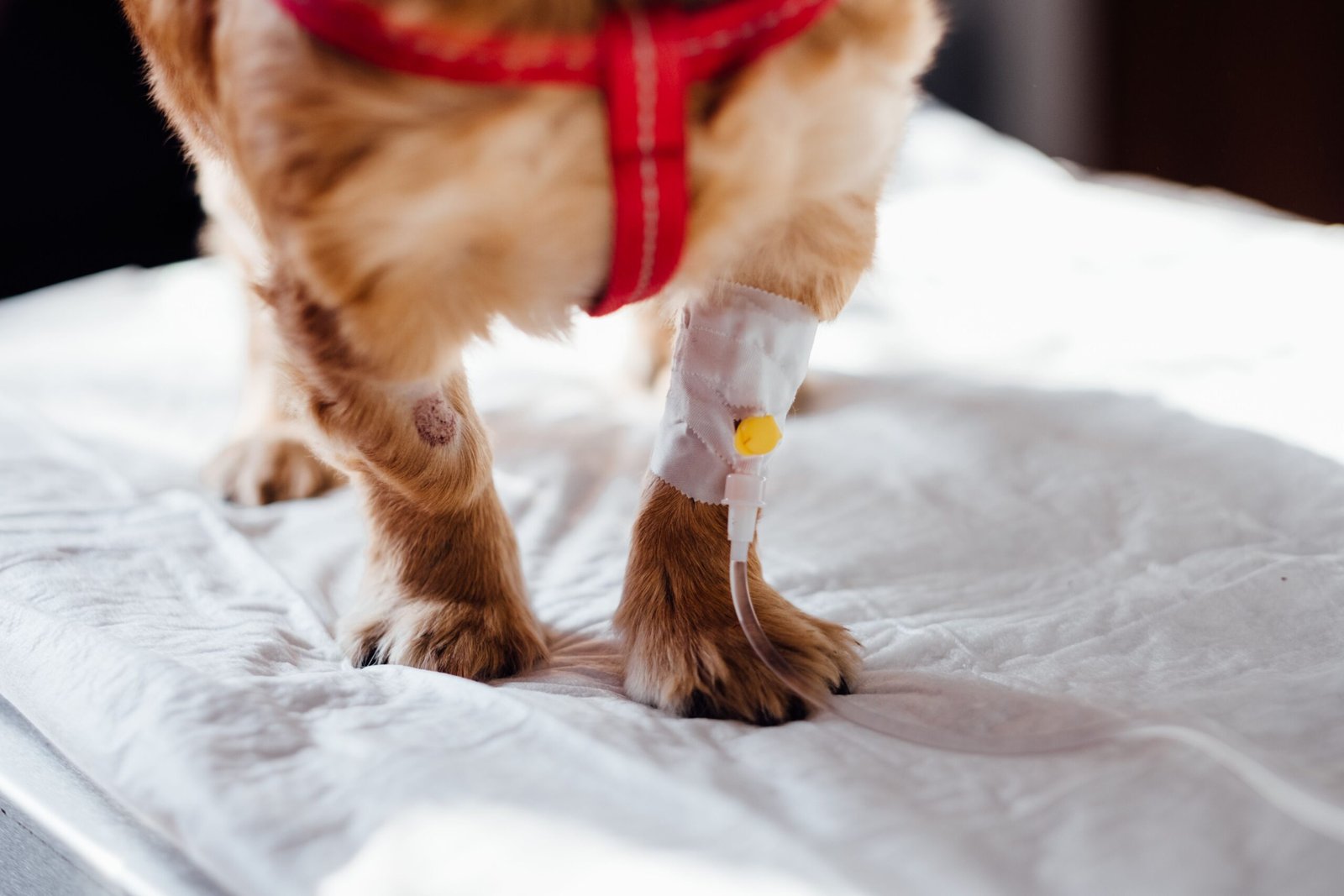
Phosphorus binders and blood pressure medication are added as the disease advances, based on bloodwork and blood pressure readings rather than a fixed schedule. Binders come in when blood phosphorus stays high despite the diet. Some dogs in stages 3 and 4 also need fluids given under the skin on a regular basis to stay hydrated, though not every dog does.
Owners can learn to give these fluids at home after a demonstration from the clinic team. Later in the disease, nausea and a fading appetite often become the main problems. Anti-nausea medication and appetite stimulants are often added then, to help a dog keep eating and hold its weight.
Rechecks at least every three months once a dog is stable let your vet adjust treatment before a change that bloodwork already flagged starts to show at home. Expect them more often while a new treatment is still being adjusted.
Living With Kidney Disease Day to Day
Most kidney care happens at home, between rechecks. Once a week, note how much your dog is drinking, how well it is eating, and how active it is. A notebook or a phone app is enough. A few weeks of notes show trends that are easy to miss day to day, and they give your vet more to work with than memory.
Bloodwork tells your vet how the kidneys are coping. It cannot tell you whether your dog still looks forward to a walk, greets you at the door, or finishes breakfast. Those everyday things are the most honest measure of quality of life, and they belong in the conversation at every recheck. If you are unsure whether a change matters, the signs of kidney failure in dogs are a useful comparison.
Appetite deserves the closest watch. A dog that keeps refusing food even with anti-nausea medication and appetite support is telling you the disease is starting to weigh on daily comfort. That is the time to talk openly with your vet about what comes next. The conversation is far easier with a plan in hand than in the middle of a crisis.
Is Kidney Disease Ever an Emergency?
See a vet now: A dog that stops urinating, stops drinking, is repeatedly vomiting, will not eat at all, or becomes suddenly weak or collapsed needs emergency veterinary care immediately, since these can signal acute kidney injury or a rapid decline in an already affected dog.
Acute kidney injury from toxins such as antifreeze, grapes or raisins, or certain medications is a true emergency where hours matter, unlike the slower course typical of chronic kidney disease. If you know or suspect a toxic exposure, call your vet or a poison control hotline immediately rather than waiting for symptoms to appear.
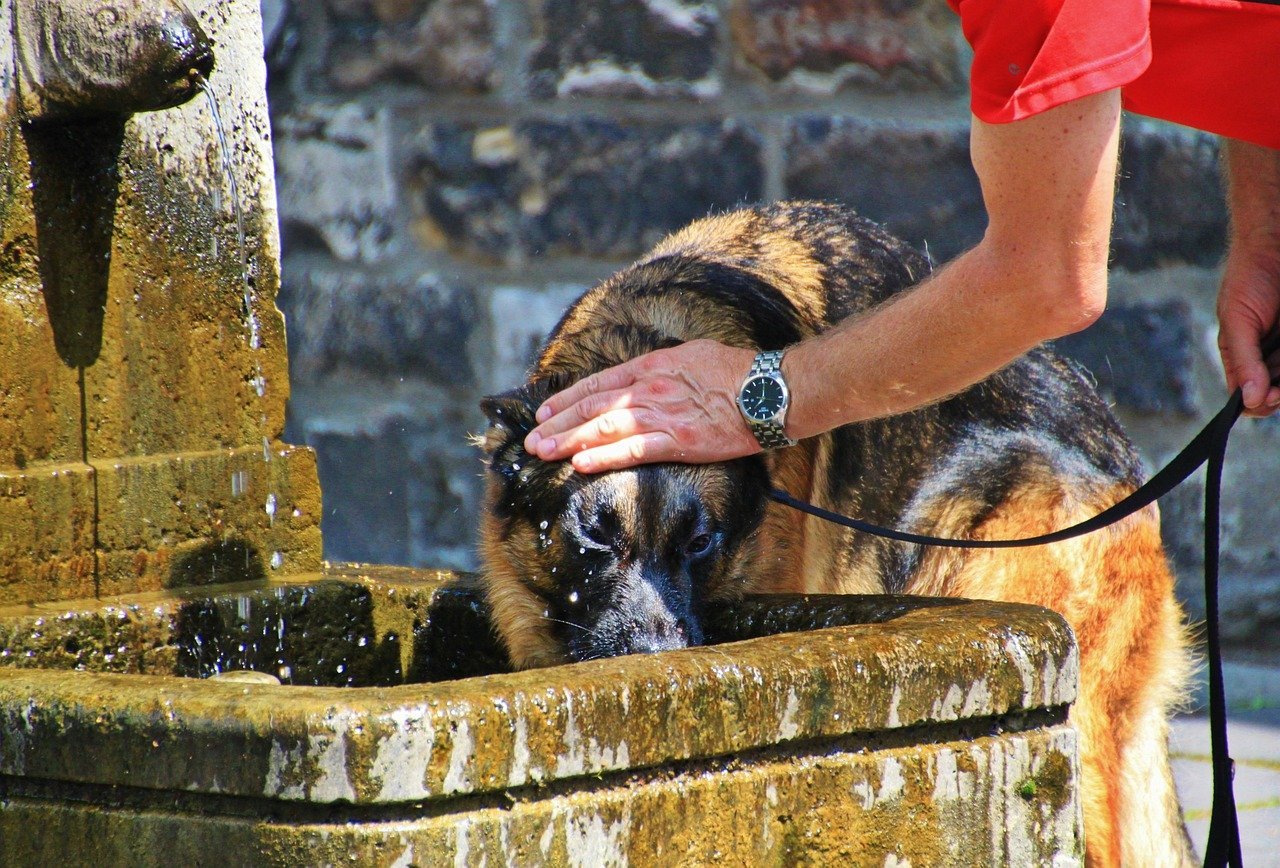
For a dog already living with chronic kidney disease, drinking is part of the treatment. Kidneys that can no longer conserve water depend on steady drinking to keep up with the urine they make. A dog that stops drinking is at real risk of dehydration, which is why it belongs on the list above. If you already have recent bloodwork, the kidney numbers considered dangerous in dogs show which values point to a more urgent turn.
Was the article helpful?